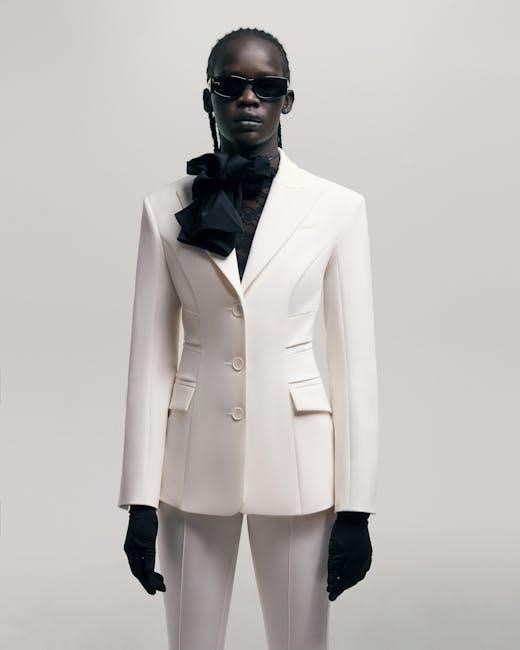
Zoot Suit: A Comprehensive Overview
The zoot suit, a bold menswear style, emerged in the 1930s and 40s, becoming a symbol of cultural identity and rebellion for diverse youth communities.
Origins and Early Development
The zoot suit’s genesis is complex, with roots tracing back to the early 1930s, primarily within African American jazz communities in Harlem, New York. It wasn’t an immediate phenomenon but rather an evolution of existing styles. Influenced by the drape shape of the clothing worn by African Americans in the South, it began to take form as a reaction against the conservative fashions of the time.
Early iterations featured high-waisted trousers, often pegged at the ankles, and elongated coats. These garments allowed for greater freedom of movement, appealing to dancers and performers. Simultaneously, similar styles were developing independently among Latino communities. By the mid-1930s, the style began to gain traction, slowly spreading beyond Harlem.
The suit’s distinctive silhouette – the exaggerated proportions – was initially considered outlandish, but its appeal grew, particularly among those seeking to express individuality and challenge societal norms. It represented a departure from mainstream fashion and a bold statement of self-expression.
The Harlem Renaissance Influence
The vibrant cultural and artistic explosion of the Harlem Renaissance profoundly shaped the early development of the zoot suit. This period, flourishing in the 1920s and 30s, fostered a spirit of Black self-expression and challenged prevailing racial stereotypes. Jazz music, a central component of the Renaissance, demanded clothing that allowed for dynamic movement, influencing the suit’s design.
Harlem’s sophisticated nightlife and emphasis on style created a demand for flamboyant and distinctive attire. The zoot suit, with its exaggerated features, became a visual manifestation of this cultural pride and artistic innovation. It represented a rejection of the conformity expected by mainstream white society.
Furthermore, the Renaissance encouraged a reclamation of African American identity, and the zoot suit served as a powerful symbol of that reclamation. It wasn’t merely clothing; it was a statement of self-worth and a celebration of Black culture, laying the groundwork for its wider adoption.

Adoption by Mexican American Youth
Following its emergence in Harlem, the zoot suit found a strong resonance with Mexican American youth, particularly in Los Angeles during the 1940s. This adoption wasn’t simply a matter of fashion; it represented a complex assertion of identity in the face of widespread discrimination and social marginalization.

Mexican American “Pachucos” embraced the zoot suit as a symbol of rebellion against societal norms and the prejudice they experienced. The suit’s flamboyant style challenged the expectations of assimilation and offered a visible expression of cultural pride. It became a uniform of sorts, signifying belonging and solidarity within their communities.
The exaggerated silhouette of the zoot suit also served as a deliberate rejection of mainstream American culture, allowing these young men to create their own distinct identity. It was a powerful statement of self-definition in a society that often denied them agency and respect.
Key Characteristics of the Zoot Suit
The zoot suit’s distinctive appearance stemmed from several key design elements that collectively created its flamboyant and recognizable silhouette. Central to the style were the high-waisted, wide-legged trousers, often featuring a sharply creased front and tightly cuffed ankles – a “peg” – creating a dramatic visual effect.
Complementing the trousers was a long coat, extending to the knees, with broad, padded shoulders and wide, peaked lapels. This exaggerated upper body shape contributed to the suit’s overall voluminous form. The suits were frequently constructed from heavier fabrics, enhancing their structure and drape.
Accessories were also crucial, including a fedora hat, often adorned with a feather, and brightly colored or patterned socks. The overall effect was a deliberately ostentatious and unconventional look, a stark contrast to the more conservative styles of the time.
The High-Waisted, Wide-Legged Trousers
The trousers were arguably the most defining feature of the zoot suit, dramatically departing from the slimmer, more conventional pants of the era. Characterized by an exceptionally high waist, often cinched with suspenders, they created a long, lean torso illusion. The legs were extraordinarily wide, flowing loosely from the hip down to the ankle.
A crucial detail was the “peg” – a sharply tapered cuff at the ankle, creating a distinct break and emphasizing the width of the leg. This required significant fabric, contributing to the suit’s overall extravagance. The trousers weren’t merely wide; they were deliberately voluminous, often requiring 18 yards or more of fabric.
This exaggerated silhouette wasn’t accidental; it was a deliberate statement, challenging prevailing fashion norms and embodying a spirit of rebellion and individuality. The cut demanded a confident wearer, capable of carrying off its bold proportions.
The Long Coat with Wide Lapels

Complementing the dramatic trousers, the zoot suit coat was equally striking, completing the suit’s flamboyant silhouette. These coats were notably long, often extending to the knees, a considerable length compared to the shorter jackets popular at the time. The shoulders were heavily padded, creating a broad, powerful shape that emphasized a V-shaped physique.
Perhaps the most recognizable feature was the exceptionally wide lapels – often several inches across – which added to the coat’s dramatic flair. These lapels were frequently peaked, further accentuating the broad shoulders. The coat’s construction often included a high button stance, contributing to the elongated torso effect.
Like the trousers, the coat demanded substantial fabric, reinforcing the suit’s image of extravagance and defiance. It wasn’t simply clothing; it was a visual proclamation of individuality and a rejection of mainstream conformity.
The Importance of Fabric and Color
The selection of fabric and color was crucial to the zoot suit’s impact, elevating it beyond mere clothing into a statement of style and rebellion. Due to wartime rationing, the very act of possessing a zoot suit – requiring significant yardage – was a form of protest against restrictions. Wool was a common choice, but finer materials like silk or rayon were also utilized, showcasing a deliberate extravagance.
Colors played a vital role, with bold and vibrant hues being favored. While classic black and navy were options, zoot suits were often seen in shades of brown, grey, and even striking colors like teal or burgundy. These choices challenged the conservative color palettes of the era.
The fabric’s drape and texture were also important, contributing to the suit’s flowing silhouette. The overall effect was one of confident self-expression and a rejection of societal norms.
Zoot Suits as a Cultural Symbol
Zoot suits transcended fashion, becoming powerful emblems of defiance, identity, and cultural pride for African American, Mexican American, and Filipino American youth.
Defiance and Rebellion
The zoot suit represented a deliberate rejection of mainstream societal norms and expectations during a period marked by significant social and economic hardship. Its flamboyant style, characterized by excessive fabric and bold silhouettes, directly challenged the conservative aesthetics prevalent in the 1930s and 40s. For young men facing discrimination and limited opportunities, the zoot suit became a visible expression of resistance against systemic inequalities.
Wearing a zoot suit was an act of self-assertion, a way to reclaim agency and dignity in a society that often marginalized and overlooked them. The suit’s extravagance was a pointed commentary on the scarcity and austerity experienced by many during the Great Depression and World War II. It signaled a refusal to conform to expectations of modesty and practicality, embodying a spirit of rebellion and a demand for recognition. This bold sartorial statement resonated deeply within communities grappling with racial prejudice and economic disadvantage.
Expression of Identity
Beyond defiance, the zoot suit served as a powerful vehicle for expressing cultural and individual identity, particularly for African American, Mexican American, and Filipino American youth. It allowed these communities to forge a distinct sense of belonging and solidarity, creating a visual language that communicated shared experiences and values. The suit wasn’t merely clothing; it was a statement of who they were and where they came from.
For Mexican American youth, known as pachucos, the zoot suit became intrinsically linked to their evolving cultural identity, blending American and Mexican influences. Similarly, African Americans embraced the style as a means of celebrating their heritage and asserting their presence in a racially segregated society. The customization of zoot suits – through fabric choices, colors, and accessories – further enabled individuals to personalize their expression and showcase their unique style. It was a vibrant declaration of selfhood, a refusal to be defined by societal limitations.
The Pachuco Subculture
The pachuco subculture, deeply intertwined with the zoot suit, emerged among Mexican American youth in the 1940s, particularly in California. This wasn’t simply a fashion trend; it represented a complex negotiation of identity, blending Mexican heritage with American influences, and a rejection of mainstream societal norms. Pachucos developed their own slang, mannerisms, and a distinct code of conduct, often viewed with suspicion and hostility by the wider community.
The zoot suit became the defining symbol of the pachuco identity, signifying a deliberate distancing from both American and traditional Mexican expectations. It represented a form of cultural resistance, a way to assert their presence and challenge prevailing prejudices. Often facing discrimination and economic hardship, pachucos created a space for themselves through their unique style and communal bonds. Their flamboyant attire and defiant attitude challenged the status quo, making them both admired and feared.
The Hepcat Style
Emerging concurrently with the zoot suit’s rise, the “Hepcat” style represented a parallel, yet distinct, adoption of the flamboyant suit within African American communities. Originating in Harlem during the 1930s, “Hepcats” – stylish, jazz-loving young men – embraced the zoot suit as a symbol of cool, sophistication, and rebellion against societal constraints. This wasn’t merely about clothing; it was a complete aesthetic encompassing language, music, and dance.
Hepcats distinguished themselves through their mastery of jazz slang, their smooth dance moves, and their confident demeanor. The zoot suit, with its exaggerated lines and vibrant colors, perfectly embodied the energy and exuberance of the jazz age. It was a visual declaration of individuality and a rejection of conservative norms. Like the pachucos, Hepcats used fashion to create a distinct identity and carve out a space for themselves in a racially segregated society, expressing themselves through style.
The Zoot Suit Riots
During World War II, racial tensions exploded in Los Angeles with the Zoot Suit Riots, where military personnel violently attacked young men wearing zoot suits.
Context of World War II
The backdrop of World War II significantly fueled the animosity surrounding zoot suits, transforming a fashion statement into a target for societal outrage. Wartime rationing imposed restrictions on fabric usage, making the excessive material required for a zoot suit appear unpatriotic and wasteful to many Americans. This perceived extravagance clashed sharply with the national mood of sacrifice and conservation.
Furthermore, the war fostered a climate of heightened nationalism and suspicion, particularly towards minority groups. The zoot suit, prominently worn by African American, Mexican American, and Filipino American youth, became associated with defiance of wartime norms and a rejection of mainstream American values.
The media often portrayed zoot suit wearers as delinquents and un-American, exacerbating existing prejudices. This negative representation contributed to the escalating tensions that ultimately culminated in the violent confrontations known as the Zoot Suit Riots, demonstrating how wartime anxieties intersected with racial and cultural biases.
Racial Tensions and Discrimination
Underlying the conflict surrounding the zoot suit were deeply entrenched racial tensions and systemic discrimination prevalent in 1940s America. Mexican Americans, African Americans, and Filipino Americans already faced significant prejudice in housing, employment, and education, creating a volatile social landscape. The zoot suit, embraced by these communities, became a visible symbol of their identity and a subtle form of resistance against societal constraints.
White Americans often viewed the zoot suit as a challenge to the established social order and a rejection of assimilation. This perception fueled resentment and hostility, particularly among military personnel stationed in California.
The attire was wrongly associated with criminal activity and disloyalty, reinforcing negative stereotypes. This discriminatory mindset created an environment where violence against zoot suit wearers was not only tolerated but, in some cases, actively encouraged, highlighting the pervasive racial biases of the era.
The Events of 1943
In the spring and summer of 1943, Los Angeles erupted in a series of violent clashes known as the Zoot Suit Riots. Beginning on June 3rd, servicemen, often while on leave, began targeting young men wearing zoot suits, stripping them of their clothing in the streets. These attacks escalated quickly, involving widespread beatings and humiliation of zoot suit wearers.
The police, rather than intervening to protect the victims, often stood by or actively participated in the assaults, further exacerbating the situation. Newspapers largely portrayed the zoot suit wearers as delinquents, fueling public animosity and justifying the violence.
For several days, the riots continued with little opposition, creating an atmosphere of fear and intimidation within Mexican American and African American communities. The events exposed the deep-seated racial prejudice and the vulnerability of marginalized groups during wartime.
Military Involvement in the Riots
The Zoot Suit Riots were significantly fueled by the active participation of U.S. military personnel, particularly sailors stationed in Southern California. These servicemen viewed the zoot suits as unpatriotic, representing an excessive use of fabric during wartime rationing and a rejection of traditional American values.
Groups of sailors would roam the streets, specifically targeting young men wearing zoot suits, initiating attacks and stripping them of their clothing. This wasn’t isolated; it was a coordinated effort, with servicemen often traveling in groups to seek out and confront zoot suit wearers.
Critically, the military command initially downplayed the incidents, even granting leave to more sailors, effectively encouraging further violence. This lack of control and the tacit approval from higher ranks contributed directly to the escalation and duration of the riots, highlighting a disturbing level of institutional complicity.
Media Representation of the Riots
The media coverage of the Zoot Suit Riots was overwhelmingly biased, portraying the young men wearing zoot suits as delinquents and unpatriotic troublemakers. Newspapers largely framed the narrative around the sailors as defenders of American values, minimizing or completely omitting the violence inflicted upon the zoot suit wearers.
Sensationalized headlines and photographs focused on the perceived extravagance of the suits, reinforcing the idea that they were a wasteful affront to wartime sacrifices. This framing actively contributed to public justification of the attacks, fostering a climate of prejudice and acceptance of the violence.
Notably, the Mexican American community’s perspective was largely absent from mainstream reporting. The media failed to adequately explore the cultural significance of the zoot suit or the systemic discrimination faced by these youth, perpetuating harmful stereotypes and hindering a balanced understanding of the events.

The Zoot Suit and Social Commentary
The zoot suit transcended fashion, becoming a powerful statement against societal norms and discrimination, particularly for marginalized communities seeking self-expression and recognition.
Octavio Paz’s Analysis
Renowned Mexican poet and essayist Octavio Paz offered a profound interpretation of the zoot suit, moving beyond its surface appearance to explore its deeper cultural significance. He viewed the suit not merely as clothing, but as a deliberate and complex act of defiance against mainstream societal expectations and imposed assimilation.
Paz argued that the zoot suit represented a rejection of practicality and conformity, embracing instead a flamboyant and exaggerated aesthetic. This extravagance, he believed, was a conscious choice by marginalized groups – particularly Mexican American youth – to assert their identity and challenge dominant cultural norms. The suit’s very form, with its voluminous fabric and striking silhouette, symbolized a refusal to be invisible or overlooked.
Furthermore, Paz connected the zoot suit to a sense of theatricality and performance, suggesting that wearing it was akin to adopting a persona. This allowed wearers to navigate a hostile environment with a degree of agency and self-possession, transforming themselves into figures of both resistance and spectacle. His analysis highlighted the zoot suit as a potent symbol of cultural negotiation and a complex expression of identity in a time of social upheaval.
Clothing as a Form of Protest
Throughout history, clothing has served as a powerful medium for expressing dissent and challenging established power structures. The zoot suit exemplifies this phenomenon, transforming a fashion statement into a visible act of resistance. For African American, Mexican American, and Filipino American youth in the 1940s, the suit wasn’t simply about style; it was a deliberate rejection of wartime austerity and societal expectations.
During World War II, when fabric rationing was in effect, the zoot suit’s excessive use of material was seen as unpatriotic and wasteful. However, for those who wore it, this extravagance was precisely the point – a defiant statement against a system that marginalized and discriminated against them. The suit became a symbol of nonconformity and a refusal to participate in a society that denied them equal rights.
By embracing a flamboyant and unconventional style, wearers of the zoot suit actively challenged prevailing norms and asserted their cultural identity. It was a visual declaration of independence, a way to reclaim agency in a world where they were often silenced and oppressed, proving clothing can be a potent tool for social commentary.
Zoot Suits and Marginalized Communities
The zoot suit resonated deeply within marginalized communities, particularly among African American, Mexican American, and Filipino American youth, offering a space for self-expression and solidarity. These groups faced systemic discrimination and limited opportunities, and the zoot suit became a visible marker of their shared experiences and resistance;
For Mexican American “Pachucos,” the zoot suit represented a rejection of assimilation and a celebration of their cultural heritage. It was a way to assert their identity in a society that often sought to erase it. Similarly, African Americans embraced the style as a symbol of pride and defiance in the face of racial segregation and inequality.
The suit fostered a sense of community and belonging among those who wore it, creating a subculture that challenged mainstream norms. It provided a platform for expressing individuality and resisting oppressive social structures, becoming a powerful symbol of empowerment for those relegated to the margins of society, and a testament to fashion’s ability to unite.

The Legacy of the Zoot Suit
The zoot suit’s influence extends to modern fashion, continually reappearing in revivals and popular culture, remaining a potent symbol of rebellion and identity.
Influence on Fashion
The zoot suit’s impact on fashion transcends its initial period, leaving an indelible mark on subsequent styles and trends. While initially a subcultural phenomenon, its bold silhouette and defiant aesthetic gradually permeated mainstream fashion consciousness. The suit’s exaggerated proportions – the high-waisted, wide-legged trousers and the long, padded coat – challenged conventional menswear norms, paving the way for more experimental and expressive designs.
In the decades following the Zoot Suit Riots, elements of the zoot suit aesthetic resurfaced in various forms. The 1970s saw a revival of flared trousers and wide lapels, echoing the suit’s distinctive shape. More recently, designers have drawn inspiration from the zoot suit’s flamboyant style, incorporating its key features into contemporary collections. This includes oversized silhouettes, bold colors, and a focus on individuality and self-expression.
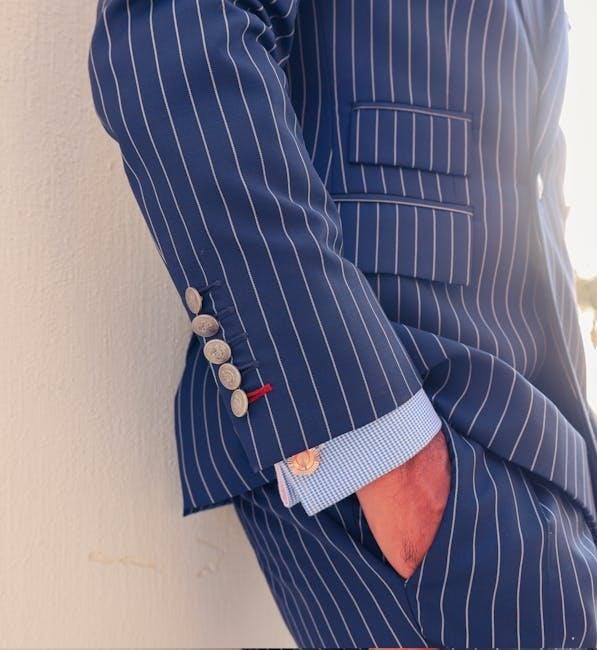
Furthermore, the zoot suit’s influence extends beyond direct stylistic imitation. It represents a broader cultural shift towards embracing individuality and challenging societal norms through clothing. This legacy continues to inspire designers and fashion enthusiasts today, demonstrating the enduring power of the zoot suit as a symbol of style and rebellion.
Revivals and Modern Interpretations
The zoot suit hasn’t remained confined to historical accounts; it has experienced several revivals, each reflecting the socio-cultural climate of its time. Notably, the 1990s witnessed a resurgence of interest, fueled by hip-hop culture and a renewed appreciation for vintage styles. Artists and musicians embraced the zoot suit as a symbol of defiance and cultural pride, reintroducing it to a new generation.
Modern interpretations of the zoot suit often blend its classic elements with contemporary design sensibilities. Designers are experimenting with different fabrics, colors, and cuts, creating variations that honor the suit’s heritage while appealing to modern tastes. These reinterpretations range from subtle nods to the zoot suit’s silhouette to bold, avant-garde creations that push the boundaries of fashion.
Beyond high fashion, the zoot suit continues to inspire custom tailoring and individual expression. Individuals are commissioning bespoke zoot suits, often incorporating personal touches and unique details. This demonstrates the suit’s enduring appeal as a statement piece and a symbol of individuality, proving its lasting relevance in contemporary culture.
Zoot Suits in Popular Culture
The zoot suit’s striking aesthetic has consistently captured the imagination of filmmakers, musicians, and artists, solidifying its place in popular culture. Its portrayal in media often reflects broader societal themes of rebellion, identity, and cultural conflict. The 1942 film “Zoot Suit,” based on the play by Luis Valdez, dramatically depicted the Zoot Suit Riots, bringing the historical events to a wider audience and sparking renewed dialogue.
Musicians, particularly in the jazz and hip-hop genres, have frequently adopted the zoot suit as a stage persona, embodying its spirit of cool and defiance. Artists like Cab Calloway and contemporary hip-hop performers have utilized the suit to project an image of confidence and individuality. This association has further cemented the zoot suit’s status as a symbol of artistic expression.
More recently, the zoot suit has appeared in various television shows and music videos, demonstrating its continued relevance and appeal. These appearances often serve as visual cues, instantly conveying a sense of style, history, and cultural significance, ensuring its legacy endures for future generations.
The Zoot Suit Today: A Continuing Symbol
Despite periods of decline, the zoot suit hasn’t vanished; it persists as a powerful symbol of cultural pride and resistance. Contemporary revivals demonstrate a renewed interest in its historical significance and stylistic flair, often seen in Chicano and African American communities. Modern interpretations frequently blend traditional elements with contemporary fashion, creating unique and personalized expressions.
The suit’s enduring appeal lies in its ability to represent defiance against conformity and a celebration of individuality. It continues to be worn at cultural events, lowrider car shows, and as a statement of identity. This ongoing visibility ensures the zoot suit’s story remains relevant, prompting conversations about social justice and historical memory.
Furthermore, the zoot suit serves as a reminder of the struggles faced by marginalized communities, prompting reflection on issues of racial discrimination and the importance of cultural preservation. It’s a testament to the power of clothing as a form of protest and a celebration of heritage, continuing to inspire and provoke thought today.
Leave a Reply