Selecting the correct cricket bat is crucial for young players’ development and enjoyment. This guide focuses on finding the ideal size‚ ensuring optimal performance and technique.
Why Proper Bat Size Matters
Using a correctly sized cricket bat is paramount for young‚ developing cricketers. An oversized bat can hinder technique development‚ leading to poor shots and potentially incorrect muscle memory. Conversely‚ a bat that’s too small limits power and reach‚ restricting a child’s ability to effectively play various strokes.
Proper sizing fosters confidence and enjoyment. When a bat feels comfortable and balanced‚ young players are more likely to succeed and remain engaged with the sport. It also minimizes the risk of injury‚ as struggling with an unsuitable bat can strain developing muscles. Ultimately‚ the right bat size allows junior cricketers to maximize their potential and build a solid foundation for future success on the pitch.
Age vs. Height: The Key Considerations
While age provides a general guideline‚ a junior cricketer’s height is a more reliable indicator for bat size. Children develop at different rates‚ meaning a 10-year-old could be significantly taller – and stronger – than another of the same age. Relying solely on age can lead to an ill-fitting bat.
Height directly correlates to reach and swing power. Taller players generally require longer bats to comfortably extend their arms and generate sufficient bat speed. However‚ it’s not just height; physical strength and development also play a crucial role. A combination of these factors ensures the bat is manageable and promotes proper technique‚ maximizing performance and minimizing strain.
Understanding Cricket Bat Sizes
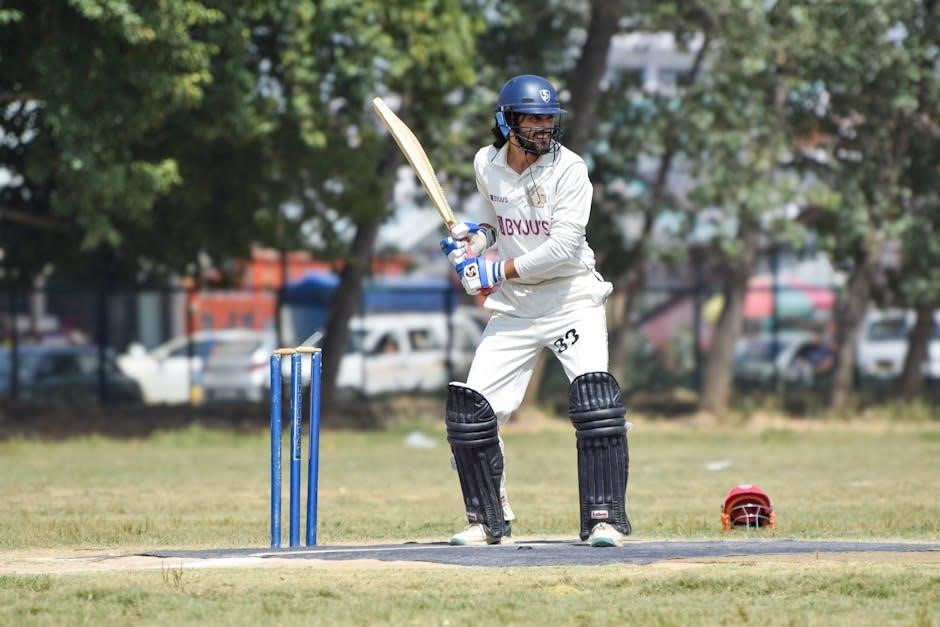
Junior cricket bats are sized differently than adult bats‚ typically ranging from sizes 1 to 6‚ correlating with age‚ height‚ and the player’s strength.
Bat Weight Guidelines by Age Group
Determining the appropriate bat weight is paramount for young cricketers. For U9 and U10 players‚ a bat weighing between 1lb 7oz and 1lb 9oz is generally recommended‚ fostering control and technique development. As players progress to the U11 and U12 age groups‚ a weight range of 1lb 9oz to 2lb is suitable‚ accommodating increased strength.
U13 and U15 cricketers typically benefit from bats weighing between 2lb and 2lb 3oz‚ enabling more powerful shots. It’s crucial to remember these are guidelines; individual strength and physical development are key factors. A bat that is too heavy can hinder a child’s swing and potentially lead to poor form‚ while a bat that is too light may lack the necessary power for effective batting. Prioritizing a manageable weight allows young players to build confidence and refine their skills.
Junior Bat Size Chart (Height & Age)
A helpful starting point for bat selection is correlating height and age. For children aged 8-10 (approx. 4’0” – 4’6”)‚ a short handle (Grade 1-2) bat‚ typically 20-22 inches‚ is often suitable. Players aged 11-12 (approx. 4’6” – 5’0”) generally benefit from a medium handle (Grade 2-3) and a bat length of 22-24 inches.
As cricketers mature to the 13-15 age range (approx. 5’0” – 5’6”)‚ a long handle (Grade 3-4) and bat length of 24-26 inches become more appropriate. However‚ these are estimates. Individual growth spurts and physical build significantly influence the ideal size. Always prioritize a bat that feels comfortable and allows for a balanced swing‚ rather than strictly adhering to age or height charts. Proper fitting is essential for optimal performance.
Measuring a Cricket Bat: Key Terms (Length & Sweet Spot)
Understanding bat measurements is vital for a proper fit. Bat length is measured from the bottom of the handle to the top of the blade‚ typically ranging from 17 to 26 inches for junior bats. The ‘sweet spot’ refers to the area on the blade where the ball rebounds most effectively‚ usually located towards the middle.
A well-positioned sweet spot maximizes power and minimizes vibration. Weight distribution also matters; a balanced bat feels easier to control. Consider the blade width – wider blades offer a larger sweet spot but can be heavier. When assessing a bat‚ ensure the handle thickness suits the player’s grip size for comfortable control and efficient strokeplay. Accurate measurement ensures optimal performance.
Factors Influencing Bat Size Choice
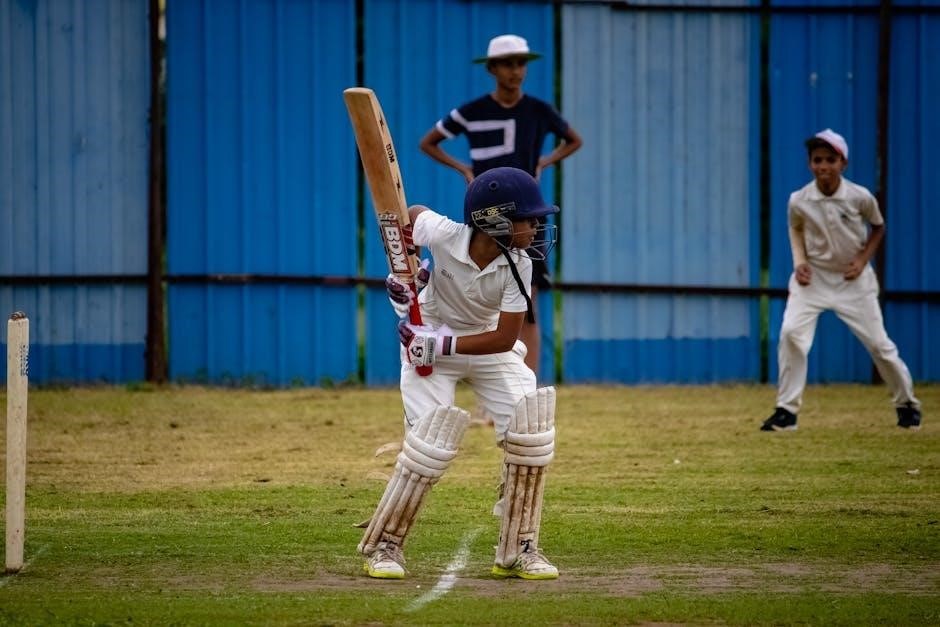
Several elements beyond age and height impact bat selection. A player’s strength‚ willow grade‚ and preferred batting style all contribute to finding the perfect fit.
Player’s Strength and Physical Development
A young cricketer’s physical capabilities are paramount when choosing a bat. Players with greater upper body strength can effectively manage heavier bats‚ generating more power behind their shots. Conversely‚ those still developing should opt for lighter options to ensure comfortable handling and proper technique.
It’s not simply about current strength‚ but also projected development. Consider a bat that allows for growth without being overly cumbersome now. A bat that’s too heavy can hinder swing speed and lead to poor form‚ potentially causing injury.
Observe how easily the player lifts and controls the bat during practice swings. A comfortable grip and fluid motion are indicators of a suitable weight. Prioritizing technique over immediate power is crucial at this stage of development.
Bat Material: Willow Grades and Weight Impact
Junior cricket bats are typically crafted from willow wood‚ but the grade significantly impacts weight and performance. Lower grades‚ often used for introductory bats‚ are softer and lighter‚ making them easier for young players to handle. However‚ they are less durable and offer reduced power.
Higher grades‚ like English Willow‚ provide superior performance – better rebound‚ increased power‚ and enhanced durability – but come with a higher price tag and often a slightly increased weight.
The density of the willow directly affects the bat’s weight. Even within a grade‚ variations exist. Consider a lighter willow bat if strength is a concern‚ prioritizing ease of use and technique development over raw power initially.
Playing Style: Aggressive vs. Defensive
A junior cricketer’s playing style profoundly influences the ideal bat size and weight. Aggressive‚ power-hitting players often benefit from a slightly heavier bat‚ providing more momentum for forceful shots. However‚ this requires sufficient strength to maintain control and timing.
Defensive players‚ focusing on blocking and precise placement‚ generally perform better with a lighter bat. This allows for quicker reactions‚ easier maneuverability‚ and reduced strain during prolonged defensive periods.
Consider the player’s natural inclination. If they instinctively attempt big hits‚ a heavier bat might suit them‚ but prioritize technique first. For those prioritizing solid defense‚ a lighter option is generally preferable‚ fostering control and consistency.
How to Determine the Right Bat Size
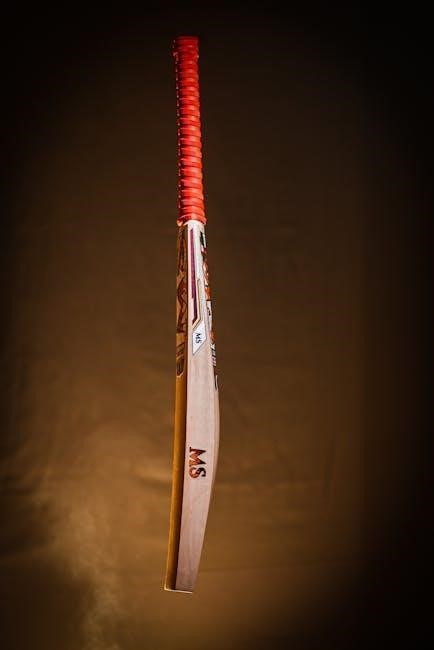
Accurate sizing involves practical tests and considerations. The ‘arm’s length’ test‚ balance checks‚ and professional fittings are vital for optimal bat selection.
The ‘Arm’s Length’ Test
The ‘arm’s length’ test is a simple‚ yet effective‚ initial assessment for junior cricket bat sizing. Have the player stand with their arm extended straight down‚ palm facing upwards. The bat should comfortably reach from the heel of their hand to the ground.
If the bat extends significantly beyond their hand‚ it’s likely too long‚ potentially hindering control and swing. Conversely‚ if the bat falls short‚ it’s probably too small‚ limiting reach and power. This test provides a quick benchmark‚ but shouldn’t be the sole determinant.
Remember to consider the player’s height and strength alongside this test. It’s a starting point for further evaluation‚ ensuring a comfortable and manageable bat size for developing cricketers.
Checking Bat Balance and Pickup
Assessing bat balance and pickup is vital after initial sizing. A well-balanced bat feels comfortable and allows for quicker bat speed. Have the player hold the bat and swing it gently‚ mimicking a cricket stroke.
Observe how easily they lift and control the bat. A bat that feels too heavy or unbalanced will impede their swing and potentially affect technique. The ‘pickup’ refers to how light or heavy the bat feels during the swing‚ not just its static weight.
A good pickup allows for effortless control and power. Encourage the player to provide feedback – does it feel manageable‚ or are they struggling to control it? Prioritize comfort and control over sheer weight.
Professional Fitting Services
For the most accurate fit‚ consider a professional cricket bat fitting. Specialist retailers offer expert assessments‚ taking into account the player’s height‚ weight‚ strength‚ and playing style. They utilize their experience to recommend the optimal bat size and weight.
These services often involve a dynamic assessment‚ observing the player’s swing and technique with different bats. A fitter can identify imbalances or issues that might not be apparent during a self-assessment.
While an added expense‚ a professional fitting minimizes the risk of purchasing an unsuitable bat‚ ultimately enhancing the player’s development and enjoyment of the game. It’s a worthwhile investment for serious young cricketers.
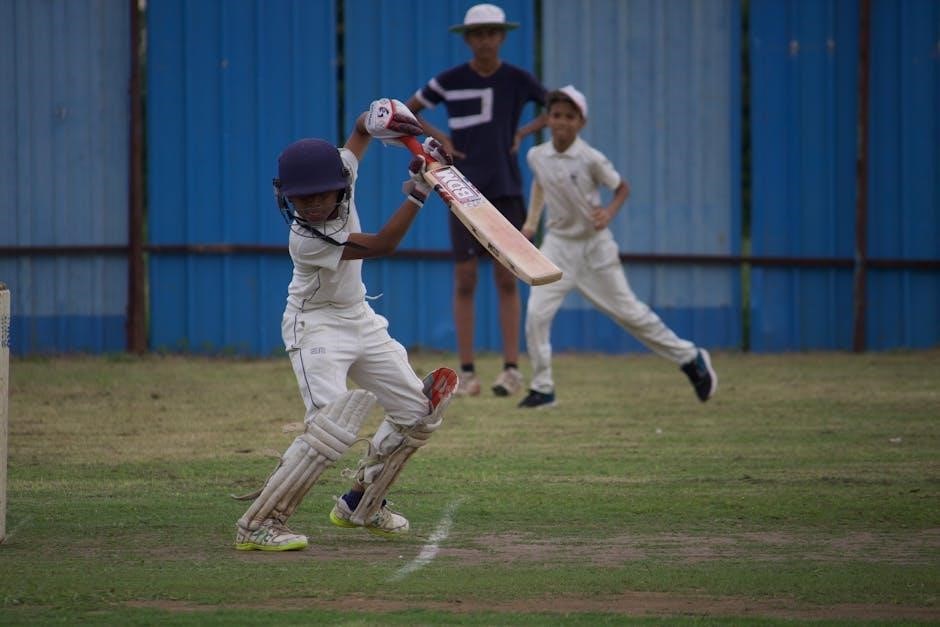
Specific Bat Size Recommendations
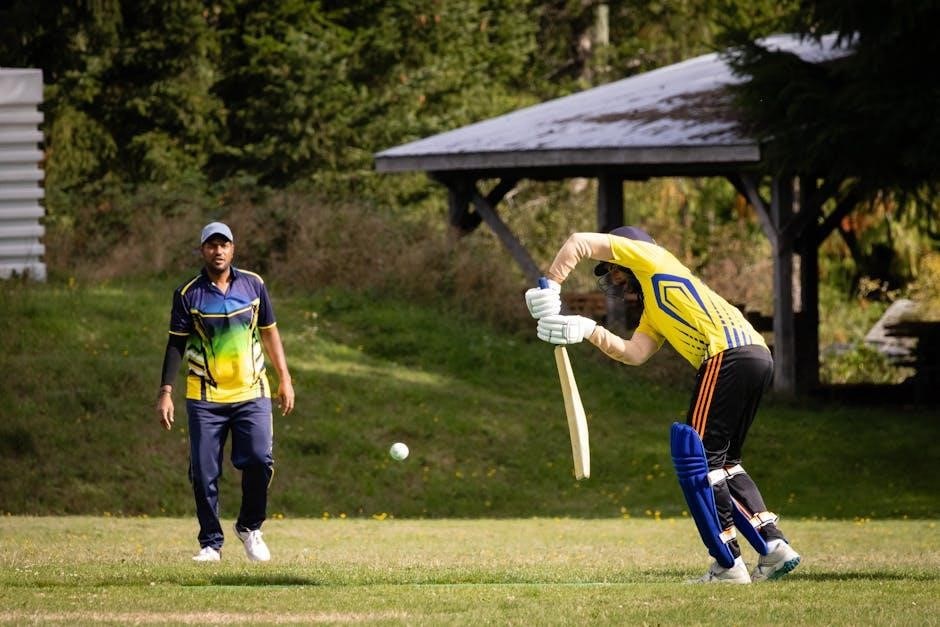
Age-specific guidelines offer a starting point‚ but individual development varies. Consider height and strength when choosing a bat for U9 to U15 players.
U9/U10 Age Group Bat Sizes
For the youngest cricketers‚ typically aged 9-10‚ bat size is paramount for building confidence and technique. A bat that’s too heavy or long will hinder their development and enjoyment of the game. Generally‚ a bat length of 51-53cm (20-21 inches) is recommended for players in this age group. Weight should ideally be between 1lb 7oz and 1lb 9oz (approximately 680-740 grams).
Prioritize lighter bats to allow for proper swing mechanics and control. Focus on developing a comfortable grip and ensuring the bat isn’t overwhelming for their smaller hands and developing strength. Remember‚ these are guidelines; individual size and strength should always be considered. A smaller grip size can also be beneficial for young players.
U11/U12 Age Group Bat Sizes
As players progress to the U11 and U12 age groups‚ their physical strength and coordination begin to develop further. This allows for a slight increase in bat size and weight. Recommended bat lengths typically range from 53-56cm (21-22 inches). A suitable weight would be between 1lb 9oz and 2lb (approximately 740-900 grams).
It’s crucial to strike a balance between power and control. A bat that’s too heavy can still impede their swing‚ while a lighter bat might lack the necessary power for effective shots. Encourage players to test different weights to find what feels most comfortable and allows them to maintain good form. Grip size should also be checked for a secure hold.
U13/U15 Age Group Bat Sizes
For the U13 and U15 age groups‚ players are generally approaching physical maturity‚ enabling them to handle larger and heavier bats. Recommended bat lengths typically fall between 56-61cm (22-24 inches)‚ depending on height and strength. Weight ranges from 2lb to 2lb 8oz (approximately 900-1130 grams).
At this stage‚ players often have a clearer understanding of their playing style – whether aggressive or defensive – which can influence bat choice. A heavier bat can generate more power‚ but maintaining control is paramount. Proper balance and ‘pickup’ are vital considerations. Ensure the grip is comfortable and allows for a firm hold during powerful strokes.
Recent Regulations & Bat Checks (IPL 2025/2026)
Recent IPL regulations include random bat size checks during matches‚ mirroring a focus on fair play and adherence to established bat size guidelines.
BCCI Bat Size Regulations
The Board of Control for Cricket in India (BCCI) maintains strict regulations regarding bat sizes used in all levels of competitive cricket‚ including the prestigious Indian Premier League (IPL). These regulations aren’t solely focused on professional players; they indirectly influence standards for junior cricket as well‚ promoting consistent guidelines throughout the sport.
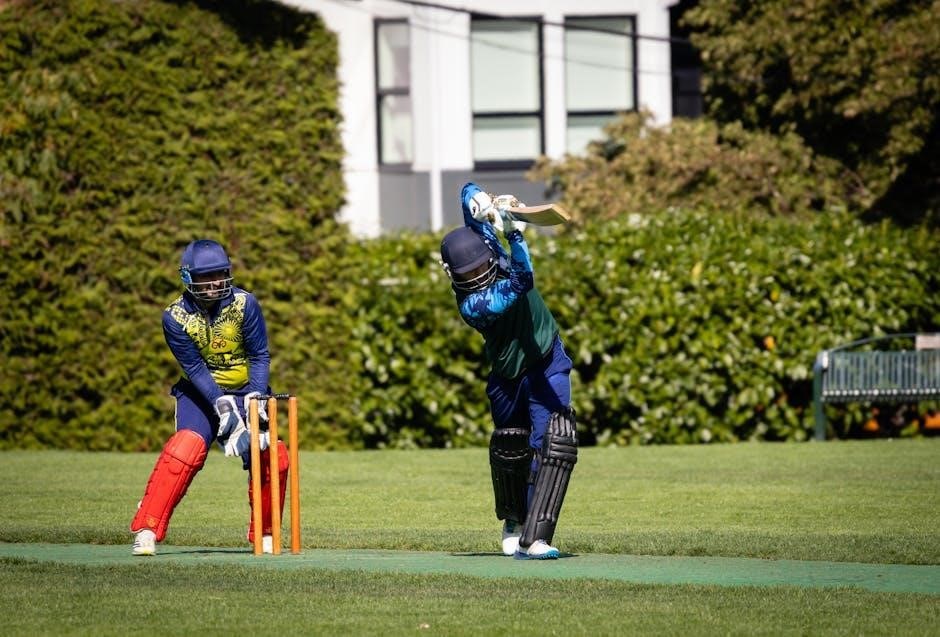
Specifically‚ the BCCI outlines permissible bat dimensions‚ focusing on the width and depth of the blade. These measurements are carefully scrutinized to ensure bats don’t provide an unfair advantage. The regulations aim to balance bat performance with the spirit of the game‚ preventing excessive power derived solely from equipment. Umpires are empowered to conduct checks‚ and bats failing to meet specifications are deemed illegal for use during matches. This commitment to regulation ensures a level playing field for all participants.
Random In-Match Bat Size Checks
A significant development in recent cricket‚ particularly within the IPL 2025 season‚ is the implementation of random bat size checks during matches. Umpires and match officials now have the authority to inspect a batsman’s bat at any point during play‚ ensuring compliance with BCCI regulations.
This practice aims to deter the use of illegally modified bats that might offer an unfair advantage. Checks involve verifying the bat’s width and depth against the permitted dimensions. While initially focused on professional leagues‚ this heightened scrutiny is influencing junior cricket‚ encouraging adherence to regulations from a young age. Players are responsible for ensuring their bats are legal‚ and umpires can disqualify a bat found to be non-compliant‚ impacting a player’s performance during a crucial game.
Resources for Finding Junior Cricket Bats
Numerous online retailers and local cricket equipment stores offer a wide selection of junior bats. Brands like Cricbuzz and ESPN provide helpful resources.
Online Retailers and Brands
A plethora of online retailers cater specifically to junior cricket equipment‚ offering convenience and a broad range of options. Websites like Cricbuzz often feature curated selections and helpful buying guides‚ alongside live scores and news. ESPN.com also provides coverage and links to equipment suppliers. News18.com’s CricketNext section can point you towards current brands and deals.
Established cricket brands consistently produce high-quality junior bats. Look for reputable names known for willow quality and construction. Many retailers allow filtering by age‚ height‚ and weight‚ simplifying the selection process. Remember to check return policies before purchasing‚ ensuring you can exchange the bat if it doesn’t feel right. Comparing prices across different platforms is also advisable to secure the best value.
Local Cricket Equipment Stores
Visiting a local cricket equipment store offers invaluable benefits‚ particularly for junior players. Expert staff can provide personalized advice‚ assessing your child’s strength‚ height‚ and playing style to recommend the most suitable bat. This hands-on approach allows for a proper ‘feel’ test‚ crucial for ensuring comfort and control.
Unlike online shopping‚ local stores enable immediate bat testing‚ allowing your child to practice their swing and gauge the pickup. They often offer bat knocking-in services‚ preparing the willow for play and extending its lifespan. Building a relationship with a local specialist can provide ongoing support and advice as your child develops. Don’t hesitate to ask questions and leverage their expertise for the best possible fit.
Leave a Reply