
Understanding DC Personal Property Tax
DC personal property tax is a local tax funding the District’s budget‚ differing from regional property taxes. Filing is mandatory even with property values at or below $225‚000.
What is DC Personal Property Tax?
DC Personal Property Tax is an annual tax levied on tangible personal property located in the District of Columbia. Unlike real property tax‚ which applies to land and buildings‚ this tax encompasses items like vehicles‚ boats‚ business assets‚ and certain household goods. It’s a locally-sourced revenue stream‚ directly benefiting the District’s budget‚ distinguishing it from regional property taxes.
Even if the total assessed value of your personal property is $225‚000 or less‚ you are still legally required to file a Personal Property Tax return – specifically‚ Form FP-31. Failure to file can result in penalties‚ even if no tax is ultimately due. The tax applies to both individuals and businesses owning taxable personal property within the District. Understanding these requirements is crucial for DC residents and business owners to maintain compliance with local tax laws.
Tax Year and Filing Deadline
The DC Personal Property Tax year aligns with the calendar year‚ running from January 1st to December 31st. Taxpayers are responsible for reporting the value of their personal property as of January 1st of each year. Crucially‚ the filing deadline is April 30th‚ regardless of whether tax is owed.
It’s important to note that this deadline is firm‚ and extensions are generally not granted. Filing can be completed electronically through the MyTax.DC.gov portal‚ offering a convenient and efficient method for submitting your Form FP-31. The FP-31 booklet is no longer available in print; online filing is the standard procedure. Mark your calendar and ensure timely submission to avoid potential penalties and maintain good standing with the DC Office of Tax and Revenue (OTR).
Who Must File a Personal Property Tax Return?
Generally‚ any individual or business owning personal property located in the District of Columbia on January 1st must file a Personal Property Tax Return (Form FP-31). This includes residents‚ non-residents‚ and businesses. Specifically‚ this encompasses tangible personal property like vehicles‚ boats‚ and business assets.
However‚ there’s a key exception: if the total assessed value of your personal property is $225‚000 or less‚ you are not required to pay tax. Despite this‚ you are still legally obligated to file the return. Failure to file‚ even with no tax due‚ can result in penalties. The OTR emphasizes universal filing compliance. Ensure you understand your filing obligations based on your property ownership in DC;

Calculating Your DC Personal Property Tax
DC personal property tax calculation involves assessing property value‚ applying exemptions‚ and considering the $225‚000 threshold; filing is still required even if no tax is due.
Assessing Property Value
Determining the value of your personal property for DC tax purposes is a crucial step in the filing process. The District doesn’t typically conduct individual property appraisals. Instead‚ taxpayers are responsible for self-reporting the fair market value of their taxable personal property as of the assessment date‚ which is generally January 1st of the tax year.
Fair market value is defined as the price a willing buyer would pay a willing seller in an open market. For vehicles‚ resources like Kelley Blue Book or NADA guides can assist in establishing value. For business personal property‚ this includes furniture‚ fixtures‚ and equipment used in operations. Household goods and furnishings are also subject to valuation.
It’s important to be accurate and reasonable in your assessment. While the OTR doesn’t routinely verify these values‚ significantly underreporting could potentially trigger further review. Keep records supporting your valuation‚ such as purchase receipts or appraisals‚ should questions arise. Remember‚ accurate self-assessment is key to a smooth tax filing experience.
Exemptions and Deductions
While DC’s personal property tax has a $225‚000 exemption‚ understanding potential exemptions and deductions is vital. Certain property may be entirely exempt from taxation. These exemptions are not automatic and often require specific applications or qualifications.
Generally‚ personal property owned by charitable organizations‚ religious institutions‚ and certain diplomatic missions may qualify for exemption. Additionally‚ property used exclusively for educational purposes might also be exempt. However‚ detailed criteria apply‚ and documentation is essential to support any exemption claim.
Currently‚ DC personal property tax doesn’t offer standard deductions beyond the overall $225‚000 threshold. This means there aren’t specific deductions for items like medical expenses or home office equipment. Taxpayers should focus on accurately valuing their property and ensuring they meet the criteria for any applicable exemptions to minimize their tax liability. Consult the OTR website for the most current exemption guidelines.
The $225‚000 Threshold
A key aspect of DC’s personal property tax is the $225‚000 threshold. This means if the total assessed value of your taxable personal property is $225‚000 or less‚ you won’t owe any personal property tax. However‚ filing a return is still mandatory‚ even if no tax is due. This requirement ensures the District maintains accurate property records.
The threshold applies to the total value of all taxable personal property owned by an individual or business. This includes items like vehicles‚ boats‚ business assets‚ and certain household goods. Accurate valuation is crucial; underreporting could lead to penalties.
Remember‚ this is not an exemption in the traditional sense‚ but a valuation floor. If your property exceeds $225‚000 in value‚ you’ll be taxed on the amount above that threshold. Taxpayers should carefully assess their property and utilize the resources provided by the DC Office of Tax and Revenue (OTR) to determine accurate values.

Forms and Filing Methods
Form FP-31 is used for the Personal Property Tax Return‚ and it can be conveniently filed online through the MyTax.DC.gov portal‚ requiring account setup.
Form FP-31: The Personal Property Tax Return
Form FP-31 serves as the official document for reporting personal property within the District of Columbia. Historically‚ this booklet was physically mailed‚ but the DC Office of Tax and Revenue (OTR) no longer prints or distributes it in paper format. Taxpayers are now required to access and complete the form digitally.
This comprehensive form necessitates detailed information regarding your personal details‚ property address‚ and a complete inventory of all taxable personal property. This includes‚ but isn’t limited to‚ vehicles‚ business assets‚ and certain household furnishings exceeding the exemption threshold. Accurate reporting is crucial to ensure correct tax assessment.
The FP-31 requires a thorough accounting of property value as of the tax year’s assessment date. Remember‚ even if the total value of your personal property falls below the $225‚000 threshold‚ filing the FP-31 is still a mandatory requirement to remain compliant with DC tax regulations. Failure to file can result in penalties.
MyTax.DC.gov: Online Filing
MyTax.DC.gov is the official online portal for filing your DC Personal Property Tax return electronically. To utilize this system‚ you must first create an account‚ which requires providing necessary identification and contact information. Once registered‚ you can access Form FP-31 directly within the portal.
The online system offers a step-by-step guide to assist you through the filing process‚ simplifying data entry and reducing potential errors. It allows for secure submission of your personal property details and valuation information. Following the guide ensures all required fields are completed accurately.
Online filing is the preferred method by the DC OTR‚ offering convenience and efficiency. It eliminates the need for postal mail and provides immediate confirmation of submission. A detailed Tax Certification Affidavit may also be required as part of the online filing process‚ confirming the accuracy of the reported information.

Tax Certification Affidavit
The Tax Certification Affidavit is a crucial component of the DC Personal Property Tax filing process‚ serving as a formal declaration of the accuracy and completeness of the information provided on Form FP-31. This affidavit legally binds the taxpayer to the details submitted regarding their personal property valuation.
By signing the affidavit‚ you attest that all reported information is true‚ correct‚ and based on your best knowledge and belief. It confirms you have diligently assessed the value of your taxable personal property according to the guidelines established by the DC Office of Tax and Revenue (OTR).
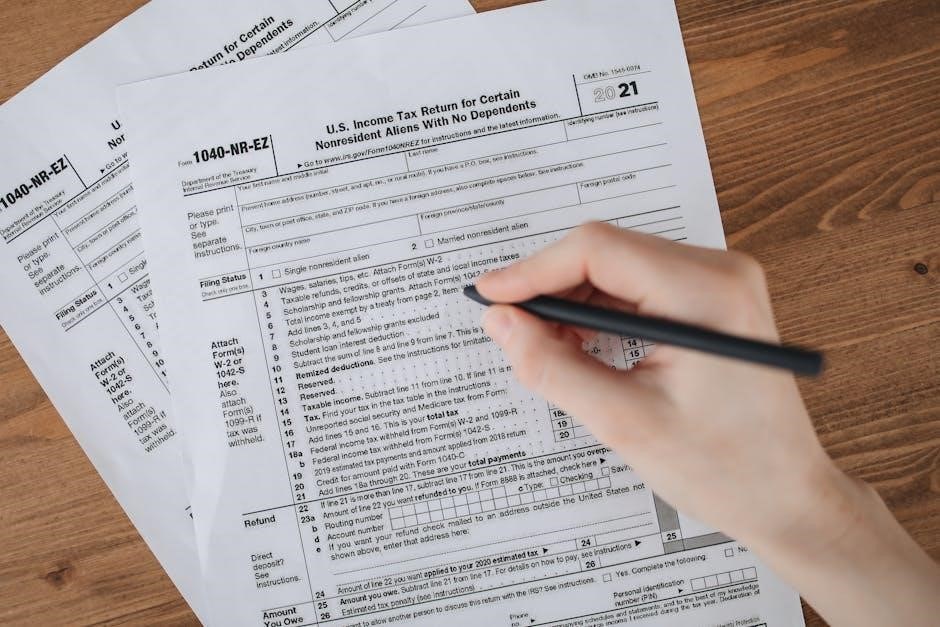
The affidavit often accompanies both paper and electronic filings via MyTax.DC.gov. Providing a false or misleading statement on the affidavit can result in penalties and legal repercussions. Carefully review all information before signing to ensure compliance with DC tax regulations.
Specific Property Types and Taxation
DC taxes various personal property‚ including vehicles‚ business assets‚ and household items; however‚ the FP-31 form covers all taxable property within the District.
Vehicles and Transportation Equipment
Vehicles registered in the District of Columbia are subject to personal property tax‚ encompassing cars‚ trucks‚ motorcycles‚ and other registered transportation equipment. The assessed value‚ determined by the DC Office of Tax and Revenue (OTR)‚ forms the basis for tax calculation. Taxpayers must accurately report vehicle information on Form FP-31‚ including make‚ model‚ and year.
It’s crucial to understand that the tax isn’t solely based on the vehicle’s purchase price; OTR utilizes its own valuation methods. Reporting changes in vehicle ownership or registration is vital to ensure accurate tax assessments. Failure to report can lead to penalties. While the $225‚000 threshold applies to overall personal property‚ vehicle value contributes to this total. Filing requirements remain even if the vehicle’s individual value is below a certain amount‚ as the aggregate value matters. Online filing via MyTax.DC.gov simplifies the reporting process for vehicles and other taxable personal property.
Business Personal Property
Businesses operating within the District of Columbia are required to file a personal property tax return (Form FP-31) for all tangible personal property used in their business operations; This includes furniture‚ fixtures‚ equipment‚ and machinery – essentially‚ anything not permanently affixed to real estate. Accurate reporting of all business personal property is essential for compliance.
The assessed value of business personal property is determined by the DC Office of Tax and Revenue (OTR)‚ and the tax rate is applied to this value. Businesses must maintain detailed records supporting the reported values. Filing can be completed conveniently online through MyTax.DC.gov. The $225‚000 threshold applies to the total value of all personal property‚ including both business and non-business assets. Penalties may be assessed for late filing or underreporting. Consult the OTR website for specific guidance on business personal property valuation and reporting requirements.
Household Goods and Furnishings
Household goods and furnishings are considered personal property subject to DC’s personal property tax‚ but generally have a minimal tax impact due to the $225‚000 exemption threshold. This includes items like furniture‚ appliances‚ electronics‚ artwork‚ and jewelry. Residents are still required to report the value of these items on Form FP-31‚ even if they anticipate no tax liability.
Accurate valuation is important‚ though OTR doesn’t typically conduct in-home assessments for standard household items. Filing is completed online via MyTax.DC.gov. Remember‚ the tax applies only to the value exceeding $225‚000 for all personal property combined. Maintaining records of significant purchases can be helpful. The annual filing deadline must be adhered to‚ even with the exemption‚ to avoid potential penalties. Detailed information and instructions are available on the DC Office of Tax and Revenue (OTR) website.
Tax Relief and Assistance Programs
DC offers property tax abatement programs and hardship exemptions to eligible residents‚ potentially reducing or eliminating personal property tax obligations. Explore OTR resources!
Property Tax Abatement Programs
The District of Columbia offers several property tax abatement programs designed to encourage economic development and provide relief to specific groups of property owners. These programs can significantly reduce your personal property tax liability‚ and eligibility requirements vary considerably between them.
One notable program focuses on incentivizing investment in designated Enterprise Zones. Properties located within these zones may qualify for reduced assessment rates for a defined period. Another program targets homeowners undertaking substantial improvements to their properties‚ offering temporary tax relief on the increased assessed value resulting from those renovations.
Furthermore‚ certain abatement programs are specifically tailored to support senior citizens and individuals with disabilities‚ providing financial assistance with their property tax obligations. It’s crucial to thoroughly research each program’s criteria and application process through the DC Office of Tax and Revenue (OTR) website to determine if you qualify. Detailed information‚ including application forms and guidelines‚ is readily available online‚ ensuring transparency and accessibility for all residents.
Hardship Exemptions
The District recognizes that unforeseen financial hardships can make paying personal property taxes exceptionally difficult. Consequently‚ DC offers hardship exemptions to taxpayers facing genuine economic challenges. These exemptions are not automatic and require a formal application process demonstrating significant financial distress.
Qualifying hardships typically involve substantial‚ unexpected expenses such as medical bills‚ job loss‚ or other catastrophic events that severely impact a taxpayer’s ability to meet their financial obligations. Applicants must provide detailed documentation supporting their claims‚ including income statements‚ medical records‚ and proof of unemployment.
Approved hardship exemptions may result in a temporary reduction or deferral of property tax payments. It’s important to note that these exemptions are generally granted on a case-by-case basis‚ and the OTR carefully evaluates each application. Seeking guidance from a tax professional or contacting the OTR directly can help navigate the application process and ensure all necessary documentation is submitted correctly.
Resources and Contact Information
For assistance‚ contact the DC Office of Tax and Revenue (OTR). Explore FAQs and relevant DC Code sections 47-3802(c)(1) and 47-1508(a)(9) online.
DC Office of Tax and Revenue (OTR)
The District of Columbia Office of Tax and Revenue (OTR) serves as the primary resource for all matters concerning DC personal property tax. OTR is responsible for administering and collecting this tax‚ ensuring compliance with relevant regulations‚ and providing assistance to taxpayers.
Taxpayers can reach OTR through various channels‚ including their official website‚ which offers a wealth of information‚ downloadable forms (like FP-31)‚ and access to the MyTax.DC.gov online filing system. Direct contact with OTR representatives is also possible for personalized support.
OTR’s website provides detailed guidance on filing requirements‚ assessment procedures‚ exemptions‚ and available relief programs. They also publish important notices and updates regarding tax law changes. For specific inquiries or assistance with complex tax situations‚ taxpayers are encouraged to contact OTR directly via phone or email‚ ensuring a prompt and accurate response to their concerns. OTR is dedicated to facilitating a smooth and transparent tax filing experience for all DC residents and businesses.
Frequently Asked Questions (FAQs)
Do I have to file if my property value is under $225‚000? Yes‚ filing Form FP-31 is mandatory annually‚ even if the total value of your personal property doesn’t exceed the $225‚000 threshold. No tax is due below this amount‚ but filing is still required.
How do I file my return? You can file online via MyTax.DC.gov by creating an account. Previously mailed booklets (FP-31) are no longer available in print. Ensure you have all necessary information before starting the online process.
What if I have questions about the form? The DC Office of Tax and Revenue (OTR) website offers detailed instructions and resources. You can also contact OTR directly for assistance. Refer to DC Code sections 47-3802(c)(1) and 47-1508(a)(9) for legal guidance. Remember to keep records of your property values for accurate reporting.
Relevant DC Code Sections (47-3802(c)(1) and 47-1508(a)(9))
DC Code section 47-3802(c)(1) outlines the general requirements for personal property tax assessment and reporting within the District of Columbia. It establishes the legal basis for the annual filing obligation‚ regardless of property value. This section details the taxpayer’s responsibility to declare all taxable personal property.
DC Code section 47-1508(a)(9) specifically addresses exemptions and abatements related to personal property tax. It provides the framework for potential reductions or waivers based on specific criteria‚ such as hardship or eligibility for certain programs. Understanding this section is crucial for identifying potential tax relief options.
These code sections‚ when interpreted together‚ define the scope of the personal property tax‚ the filing requirements‚ and the available avenues for tax relief. Consulting these sections directly provides a comprehensive legal understanding of your obligations.
Leave a Reply