
Homemade Cheeseburger Hamburger Helper offers a comforting, customizable meal, mirroring the boxed classic but with fresh ingredients and tailored flavors.
This recipe provides a delightful, budget-friendly alternative, allowing control over sodium and additives, resulting in a satisfying family dinner experience.
It’s a fantastic way to enjoy the nostalgic taste of a childhood favorite, elevated with quality components and personalized seasoning blends.
What is Hamburger Helper?
Hamburger Helper, originally introduced in the 1970s, is a boxed pasta product designed for quick and easy one-pan meals. Typically, it consists of dried pasta and a seasoning packet containing a blend of spices, dehydrated vegetables, and flavor enhancers.
The core concept revolves around browning ground beef (or another protein), adding the seasoning packet, pasta, and water or milk, then simmering until the pasta is cooked and the sauce has thickened. It’s renowned for its convenience and affordability, offering a complete meal solution with minimal effort.
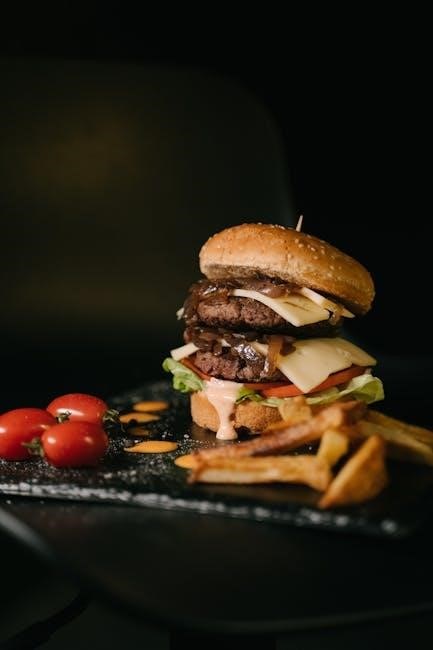
Over the years, Hamburger Helper has expanded to include various flavors, from classic cheeseburger to stroganoff and beyond, catering to diverse palates. However, many home cooks now prefer recreating these flavors from scratch, offering greater control over ingredients and nutritional content.
Why Make it From Scratch?
Creating Homemade Hamburger Helper empowers you to control the ingredients, bypassing processed components and excessive sodium found in boxed mixes. This allows for healthier choices, utilizing fresh seasonings and quality ground beef.
Furthermore, scratch-made versions offer unparalleled customization. You can adjust spice levels, incorporate preferred vegetables, and select cheese varieties to perfectly match your family’s tastes. It’s a chance to elevate a simple comfort food into something truly special.
While the boxed option prioritizes convenience, homemade versions aren’t significantly more time-consuming and deliver a superior flavor profile. It’s a rewarding culinary experience, fostering creativity and providing a wholesome, satisfying meal.

Ingredients for Cheeseburger Helper
Essential components include ground beef, pasta (elbow macaroni is popular), diced tomatoes, onion, and a blend of seasonings for that classic cheeseburger flavor.
Ground Beef Selection
Choosing the right ground beef is crucial for flavor and texture. An 85/15 blend (85% lean, 15% fat) is often recommended, providing sufficient richness without excessive greasiness. However, leaner options like 90/10 can be used for a healthier version, though you might need to add a touch of oil during browning.
Ground chuck offers a robust beefy flavor, while ground round is leaner and milder. Consider your preference and dietary needs when selecting. Approximately one pound of ground beef is typically sufficient for a standard batch of Cheeseburger Helper, serving around four to six people. Ensure the beef is fresh and has a vibrant red color, avoiding any discoloration or off-putting odors.
Pasta Choices
Selecting the pasta significantly impacts the final dish’s texture and appeal. Elbow macaroni is the traditional choice, closely resembling the boxed Hamburger Helper version, offering a familiar and comforting experience. However, feel free to experiment with other short pasta shapes like rotini, penne, or shells for varied textures.
Consider the pasta’s cooking time; smaller shapes generally cook faster. Approximately 8-12 ounces of dry pasta are typically used, depending on your desired pasta-to-sauce ratio. Ensure the pasta is of good quality to prevent it from becoming mushy during simmering. Whole wheat pasta provides added fiber and a slightly nutty flavor, offering a healthier alternative.
Essential Seasonings
Flavor is paramount in replicating the cheeseburger experience! Garlic powder and chili powder are foundational, providing that classic savory depth. Onion powder complements these, enhancing the overall umami. Don’t underestimate the power of paprika – smoked paprika adds a delightful smoky nuance. A pinch of cayenne pepper introduces a subtle warmth, adjustable to your preference;
Salt and black pepper are, of course, crucial, but season gradually, tasting as you go. Some recipes incorporate mustard powder for a tangy kick. Consider a dash of Worcestershire sauce for added complexity. These seasonings blend to create a robust, cheeseburger-inspired profile.
Dairy Components (Cheese & Milk)
The creamy foundation of this dish relies on both cheese and milk. Milk, typically whole or 2%, is essential for creating the sauce base, providing richness and helping the pasta cook. It’s whisked in with flour to form a roux, thickening the sauce beautifully.
As for cheese, cheddar is the classic choice, delivering that quintessential cheeseburger flavor. However, feel free to experiment! Monterey Jack, Colby Jack, or even a blend can add interesting dimensions. Adding the cheese towards the end allows it to melt into a gooey, delicious coating for the pasta and beef.

Step-by-Step Cooking Instructions
Begin by browning ground beef, then create a flavorful sauce base, add pasta and liquids, and simmer until thickened. Enjoy this easy process!
Browning the Ground Beef
Begin by adding the ground beef to a large skillet, preferably one with high sides to contain the sauce later. Cook over medium-high heat for approximately 6 to 8 minutes, diligently breaking up the meat with a spoon or spatula as it cooks.
Ensure the beef is browned thoroughly, not just gray, for optimal flavor development. Once browned, it’s crucial to drain off any excess grease. Returning the browned beef to the skillet sets the stage for building the rich, savory sauce that defines this dish.
Proper browning is key to a delicious final product, so don’t rush this initial step!
Creating the Sauce Base
With the browned beef back in the skillet, it’s time to build the flavorful sauce. Begin by stirring in tomato paste, garlic powder, and chili powder – these form the foundation of the cheeseburger taste. Next, incorporate beef broth, providing the liquid base for the sauce to develop.
For a richer flavor and classic “Helper” taste, add ketchup. Whisk everything together thoroughly to ensure the seasonings are evenly distributed. Allow the sauce to simmer gently, allowing the flavors to meld and deepen before the pasta is introduced.
This step is crucial for a robust, satisfying sauce!
Adding Pasta and Liquids
Once the sauce base has simmered briefly, it’s time to introduce the pasta. Add your chosen pasta shape – elbow macaroni is traditional, but others work well – directly into the skillet. Pour in the remaining beef broth, ensuring the pasta is mostly submerged in liquid.
Stir well to combine the pasta with the sauce, distributing it evenly. Bring the mixture to a gentle boil, then reduce the heat to low. Cover the skillet tightly with a lid to trap steam and facilitate even cooking of the pasta.
This step initiates the pasta’s absorption of the flavorful sauce!
Simmering and Thickening
Allow the mixture to simmer, covered, for approximately 15-20 minutes, or until the pasta is tender and has absorbed most of the liquid. Stir occasionally to prevent sticking and ensure even cooking. As it simmers, the sauce will naturally begin to thicken due to the starch released from the pasta.
If the sauce remains too thin after the pasta is cooked, continue simmering uncovered for a few more minutes, stirring frequently. This allows excess liquid to evaporate, concentrating the flavors and achieving a creamier consistency.
Monitor closely to avoid scorching!
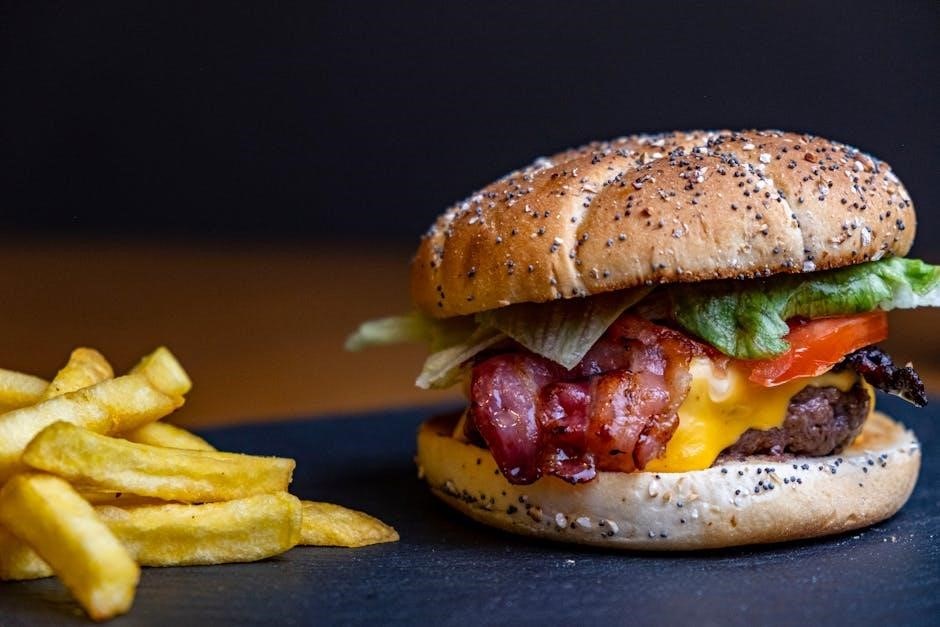
Variations and Customizations
Elevate your homemade helper with spice adjustments, vegetable additions like peppers and onions, or explore different cheese blends for unique flavor profiles!
Spice Level Adjustments
Tailoring the heat in your Cheeseburger Hamburger Helper is remarkably simple! For a mild flavor, stick to the basic chili powder measurements found in most recipes.
To introduce a gentle warmth, incorporate a pinch of cayenne pepper – start with ¼ teaspoon and adjust to your preference.
Spice enthusiasts can amplify the heat by adding a dash of red pepper flakes or utilizing a spicier chili powder blend.
Consider incorporating smoked paprika for a smoky depth alongside a subtle heat. Remember to taste as you go, gradually increasing the spice until you achieve your desired level of intensity. A dash of black pepper can also enhance the overall flavor profile.
Adding Vegetables
Boosting the nutritional value and flavor of your Cheeseburger Hamburger Helper with vegetables is easy! Diced onions and bell peppers, sautéed with the ground beef, provide a classic base.
For added texture and vitamins, incorporate chopped mushrooms, zucchini, or carrots during the browning process.
Frozen peas or corn can be stirred in during the last few minutes of simmering for a quick and convenient addition.
Spinach wilts beautifully into the sauce, offering a hidden dose of greens. Don’t hesitate to experiment with your favorites – the possibilities are endless! Remember to adjust cooking times accordingly to ensure vegetables are tender-crisp.
Cheese Variations
Elevate your Cheeseburger Hamburger Helper beyond the standard cheddar! A blend of cheeses creates a more complex and satisfying flavor profile.
Monterey Jack offers a mild, creamy melt, while Colby Jack adds a subtle tang. Pepper Jack introduces a delightful kick for spice lovers.
For a richer experience, incorporate a touch of Gruyère or Fontina. Smoked Gouda provides a smoky depth that complements the beef beautifully.
Don’t be afraid to experiment with different combinations to find your perfect cheese blend! Shredded cheese melts more evenly than cubed, ensuring a gooey, delicious result.

Microwave Cooking Instructions
For quick cooking, use microwave-safe containers. Cook on High for 14-19 minutes, stirring every 7 minutes, until pasta is tender and sauce thickens.
Microwave Safe Containers
Selecting the right container is crucial for successful microwave cooking of your homemade Cheeseburger Hamburger Helper. Avoid using metal, aluminum foil, or containers with metallic trim, as these can cause sparks and damage your microwave.
Opt for containers specifically labeled as “microwave safe,” typically made from glass, ceramic, or certain types of plastic. Glass is an excellent choice as it doesn’t absorb heat and is easy to clean. Ensure the container is large enough to accommodate the pasta and sauce as it simmers, preventing potential boil-overs.
Deep-dish microwave-safe bowls or casserole dishes work particularly well. Always check the manufacturer’s instructions on the container to confirm its microwave suitability before use. Proper container selection ensures even heating and a safe cooking experience.
Cooking Times and Stirring
Microwave cooking times for Cheeseburger Hamburger Helper typically range from 14 to 19 minutes, but this can vary depending on your microwave’s wattage and the container used. Begin with 14 minutes and check for pasta tenderness.
Regular stirring is essential – every 7 minutes is recommended – to ensure even cooking and prevent the pasta from sticking to the bottom of the container. Stirring also helps distribute the sauce, promoting consistent heating throughout the dish.
After each stirring interval, continue microwaving in 1-2 minute increments until the pasta is fully cooked and the sauce has thickened to your desired consistency. Remember the dish will remain hot even after removing it from the microwave.
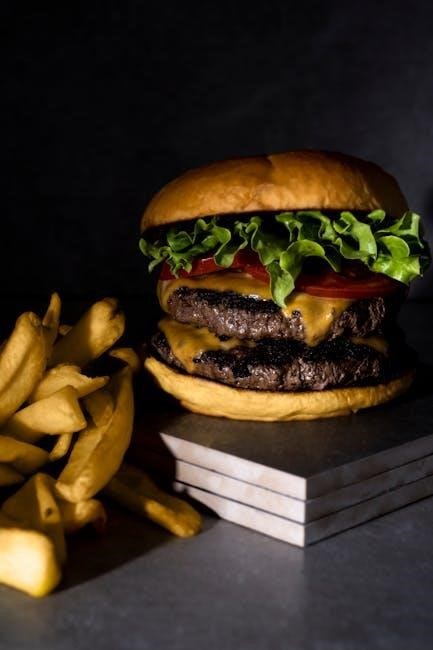
Serving Suggestions
Garnish your homemade Cheeseburger Hamburger Helper with chopped parsley or green onions for a fresh touch. Side dishes like a simple salad or steamed vegetables complement it well.
Garnishes
Elevate your Cheeseburger Hamburger Helper with thoughtful garnishes that add both visual appeal and bursts of flavor. Chopped fresh parsley provides a vibrant green color and a subtle, herbaceous note, cutting through the richness of the dish. Alternatively, finely sliced green onions offer a mild oniony bite and a pleasing texture.
For those who enjoy a bit of tang, a dollop of sour cream or plain Greek yogurt can provide a cooling contrast. Shredded cheddar cheese, beyond what’s already in the sauce, adds extra cheesy goodness. A sprinkle of paprika not only enhances the color but also introduces a subtle smoky flavor. Finally, consider a few diced dill pickles for a classic cheeseburger-inspired touch!
Side Dishes
Complement your hearty Cheeseburger Hamburger Helper with sides that balance the richness and add variety to your meal. A simple green salad with a light vinaigrette provides a refreshing contrast, cleansing the palate between bites. Steamed broccoli or green beans offer a healthy dose of vegetables and a satisfying crunch.
For a more substantial accompaniment, consider oven-roasted potato wedges seasoned with paprika and garlic powder. Classic coleslaw, with its creamy and tangy flavors, pairs wonderfully with the cheeseburger theme. Alternatively, corn on the cob, grilled or boiled, adds a touch of sweetness and summery vibes. Don’t forget some crusty bread for soaking up the delicious sauce!

Troubleshooting Common Issues
Addressing common problems like thin sauce or undercooked pasta ensures a perfect Homemade Cheeseburger Hamburger Helper every time, guaranteeing a satisfying result.
Sauce Too Thin
If your sauce lacks desired thickness, several adjustments can be made. A common fix involves creating a slurry with 1-2 tablespoons of cornstarch mixed with an equal amount of cold water.
Slowly whisk this slurry into the simmering sauce, allowing it to cook for a few minutes until it reaches the desired consistency. Alternatively, continue simmering the sauce uncovered for a longer duration, promoting evaporation and natural thickening.
Adding a tablespoon of tomato paste can also contribute to a richer, thicker sauce. Remember to stir continuously while adding any thickening agent to prevent lumps from forming, ensuring a smooth and creamy final product.
Pasta Undercooked
Encountering undercooked pasta is easily remedied. If the pasta remains firm after the initial cooking time, add a quarter to half a cup of liquid – beef broth or water works well – and continue simmering.
Cover the skillet and allow the pasta to steam for an additional 5-10 minutes, stirring occasionally to prevent sticking. Ensure the heat is reduced to low to avoid burning the sauce while the pasta finishes cooking.
For microwave preparations, extend the cooking time in 2-minute intervals, stirring between each, until the pasta reaches your preferred tenderness. Patience is key for perfectly cooked pasta!
Leave a Reply