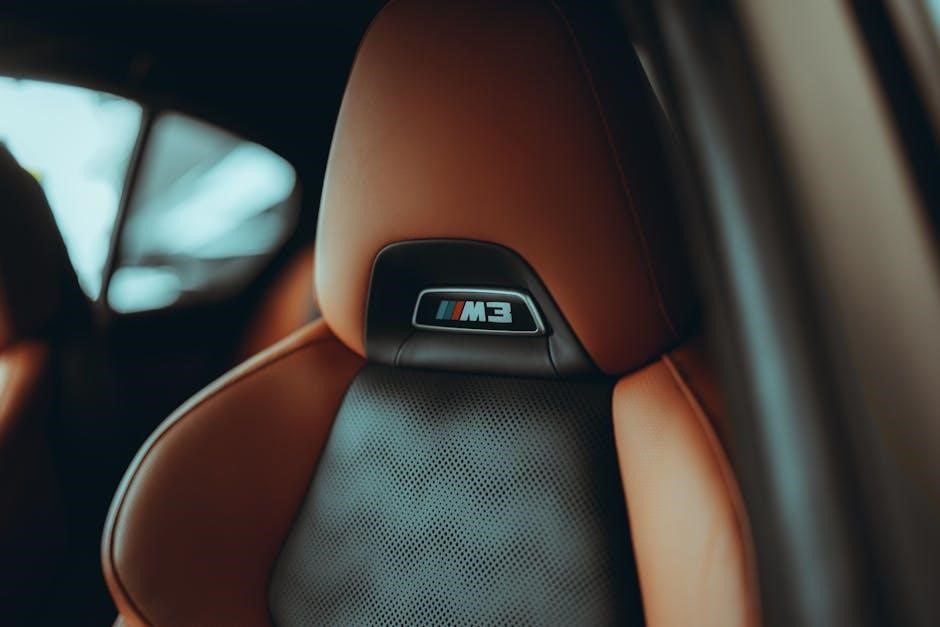
The E46 M3, particularly the manual variant, stands as a benchmark for driver-focused performance cars, often lauded for its engaging experience and timeless appeal.
Despite superb BMW specials, some hardcore M models faced transmission choices that weren’t universally favored, like the SMG found in the CSL.
Enthusiasts frequently debate the merits of different E46 M3 transmissions, with the manual consistently ranking highly for its direct connection and control.
Overview of the E46 M3
The BMW E46 M3, produced from 2000 to 2006, represents a high-water mark in the lineage of M3s, celebrated for its naturally aspirated 3.2-liter inline-six engine. This powerplant delivers a thrilling driving experience, producing 330 horsepower and 262 lb-ft of torque.
Available as a coupe, convertible, and sedan, the E46 M3 offered versatility alongside its performance credentials. However, it’s the coupe that’s often considered the purest expression of the M3 spirit.
The car’s balanced chassis and responsive steering contribute to its reputation as one of the best driver’s cars ever made, making it a favorite among enthusiasts globally.
Why the Manual Transmission is Desirable
The six-speed manual transmission in the E46 M3 elevates the driving experience, offering a direct connection between driver and machine. Many enthusiasts prefer it over the SMG, finding it more engaging and reliable.
The SMG, while innovative, faced criticism for its smoothness and speed, leading the manual to become the more sought-after option.
The manual allows for precise control, fostering a greater sense of driver involvement and making it a favorite for both road and track use, enhancing the car’s overall appeal.

Technical Specifications of the E46 M3 Manual
The E46 M3’s manual utilizes the Getrag Type D gearbox, known for its robust construction and precise shifts. Detailed specifications, including gear ratios and clutch details, follow.
Gearbox Code and Identification
The E46 M3’s 6-speed manual transmission carries the Getrag code Type D, a designation crucial for parts sourcing and identification. This gearbox is renowned for its durability and performance capabilities. Identifying a manual transmission involves checking the vehicle’s build sticker or VIN decoder.
Look for specific option codes related to the manual gearbox during vehicle inspection. The physical gearbox itself often has stamped markings indicating the Getrag Type D code, aiding in positive identification for mechanics and enthusiasts alike. Knowing this code is vital for accurate repairs and upgrades.
Gear Ratios for the 6-Speed Manual
The E46 M3’s 6-speed manual transmission utilizes carefully selected gear ratios to maximize performance and driver engagement. First gear is typically 3;909, followed by 2.662, 1.784, 1.300, 1.000, and finally 0.807 for sixth gear.
These ratios provide strong acceleration while maintaining comfortable cruising speeds. The close-ratio design allows for precise gear selection and keeps the engine within its optimal power band. These ratios contribute significantly to the car’s renowned handling and responsiveness on both the road and track.
Clutch Specifications
The E46 M3’s manual transmission employs a robust single-plate clutch designed to handle the engine’s substantial torque output. The clutch diameter measures 240mm, utilizing a diaphragm spring for consistent clamping force.
It features an organic friction material, providing a balance between grip and pedal feel. Clutch wear is a common concern, necessitating inspection and potential replacement with increased mileage. Upgraded clutch options, including dual-mass flywheel setups, are available for enhanced performance.
Common Issues and Weaknesses
E46 M3 manual transmissions can experience synchro ring wear, leading to imprecise shifts. Shift linkage problems and clutch wear are also frequently reported issues requiring attention.
Synchro Ring Wear
Synchro rings within the E46 M3’s 6-speed manual are a common point of failure over time, particularly with aggressive driving. This wear manifests as difficulty engaging specific gears, often 2nd and 3rd, with a grinding sensation during shifts.
The issue stems from the constant friction as the rings synchronize the gear speeds. Ignoring this problem can lead to more significant transmission damage, necessitating a complete gearbox rebuild. Regular fluid changes and smooth shifting techniques can help mitigate, but not eliminate, this inherent weakness.
Shift Linkage Problems
The E46 M3’s shift linkage is known to develop looseness and imprecision over time, resulting in vague shift feel and missed gears. This is often due to worn bushings and ball joints within the linkage mechanism.
Symptoms include excessive play in the shifter, difficulty finding the desired gear, and a generally sloppy feeling during gear changes. Addressing this issue typically involves replacing the worn components, restoring crisp and direct shifting. Ignoring it impacts driving enjoyment and precision.
Clutch Wear and Replacement
Clutch wear is a common concern for E46 M3 manual transmission owners, particularly those who frequently engage in spirited driving or track use. Symptoms include slipping during acceleration, difficulty shifting, and a high clutch pedal engagement point.
Replacement typically involves a complete clutch kit – disc, pressure plate, and throw-out bearing. Labor costs can be significant, making it a substantial repair. Proactive inspection and addressing early signs of wear can prevent more extensive and costly damage.
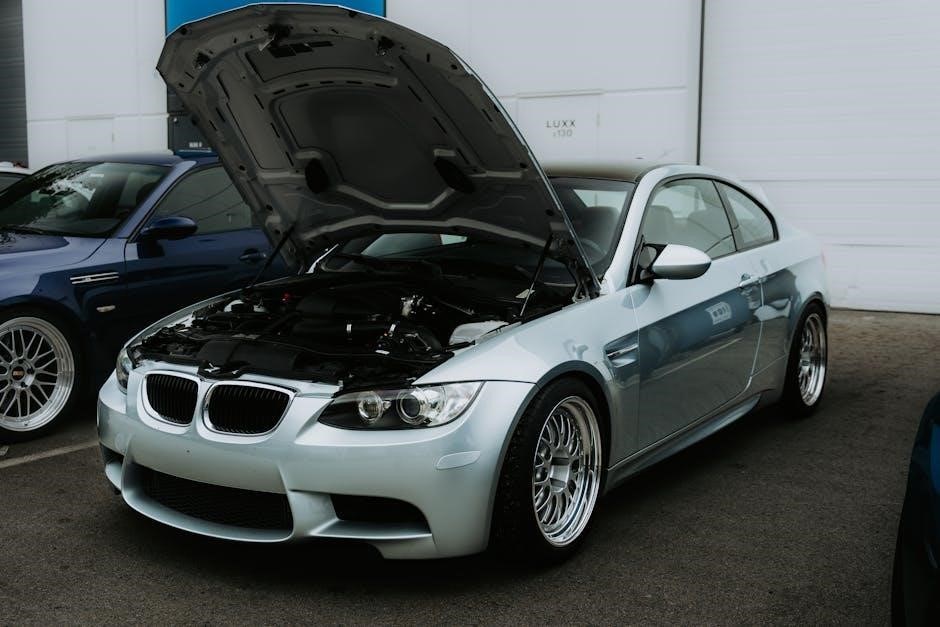
Upgrades and Modifications
Enhancements for the E46 M3 manual include short shifters for quicker throws, diverse shift knob options, and upgraded clutches – single or dual mass – for performance.
Short Shifters
Installing a short shifter dramatically alters the E46 M3’s driving feel, reducing throw length for faster, more precise gear changes. Several manufacturers offer kits, each with varying degrees of reduction and adjustability.
These modifications appeal to enthusiasts seeking a more connected and sporty experience, particularly beneficial on track. Common brands include Turner Motorsport and CAE Racing, offering both street and track-focused options.
Proper installation is crucial, and some kits may require additional bushings or supporting modifications to optimize performance and eliminate any unwanted play in the shift linkage.
Shift Knob Options
Beyond performance enhancements, customizing the E46 M3’s shift knob offers a personalized touch. Options range from factory BMW M-Power knobs to aftermarket choices in various materials like aluminum, titanium, and carbon fiber.
Weight plays a significant role; heavier knobs can alter shift feel, while lighter options may promote quicker movements. Ergonomics are also key, with different shapes and sizes catering to individual preferences.
Consider the aesthetic impact – a shift knob can complement the interior’s style. Many enthusiasts choose weighted knobs for a more substantial and refined driving experience.
Clutch Upgrades (Single & Dual Mass)
For modified E46 M3s, the stock clutch may become a limiting factor. Upgrading offers increased torque capacity and improved durability. Options include single and dual-mass flywheel setups, each with distinct characteristics.
Single-mass flywheels reduce rotational mass, enhancing throttle response but potentially increasing NVH (noise, vibration, and harshness). Dual-mass flywheels offer smoother operation and reduced vibration, ideal for street use.
Clutch disc material choices—organic, ceramic, or blended—impact grip and drivability. Selecting the right upgrade depends on intended use and power levels.
CSL and SMG Considerations
The E46 M3 CSL originally featured the SMG transmission, often criticized for its smoothness and speed. Manual conversions are now available, addressing this concern for purists.
Comparisons between the SMG CSL and manual M2 highlight the appeal of a traditional gearbox.
The SMG Controversy
The Sequential Manual Gearbox (SMG) in the E46 M3 CSL remains a point of contention among enthusiasts. While innovative for its time, the SMG wasn’t always the smoothest or fastest-shifting transmission, drawing criticism for jerky low-speed operation and occasional hesitation.
Many drivers preferred the more direct and predictable feel of a traditional manual. This led to a strong desire for manual conversions, allowing owners to experience the CSL with a more conventional gearbox. The SMG’s complexity also raised concerns about long-term reliability and maintenance costs.
Manual Conversion for CSL Models
A growing trend involves converting E46 M3 CSLs from the SMG transmission to a traditional six-speed manual. UK-based BMW specialist, Everything M3s, now offers a dedicated modification for this purpose, addressing a long-held desire within the CSL community.
This conversion aims to eliminate the SMG’s drawbacks, providing a more engaging and predictable driving experience. While costly and complex, the manual swap is seen by many as enhancing the CSL’s overall driving dynamics and long-term ownership appeal.
Performance Differences: Manual vs. SMG
Comparisons between the manual and SMG E46 M3 transmissions reveal nuanced performance differences. While the SMG offered quicker shifts in certain scenarios, it lacked the smoothness and predictability preferred by many drivers. Recent tests, like those performed by PistonHeads, pit the manual M2 against the SMG CSL.
The manual provides a more direct connection, allowing for greater driver control, while the SMG’s automated shifts can sometimes feel detached. Ultimately, the preferred transmission depends on individual driving style and priorities.

Maintenance and Servicing
Regular maintenance is crucial for the E46 M3 manual transmission, including fluid changes and shift linkage inspection. Proper care ensures longevity and optimal performance.
Consistent upkeep prevents common issues like synchro wear and maintains the precise shifting feel.
Transmission Fluid Changes
Regular transmission fluid changes are paramount for the E46 M3’s 6-speed manual gearbox. BMW recommends fluid replacement every 36,000 miles or 3 years, whichever comes first, to maintain optimal lubrication and prevent premature wear of internal components.
Using the correct BMW-specified fluid (typically a 75W-90 GL-5 synthetic) is essential; aftermarket fluids may lack the necessary additives for compatibility. The process involves draining the old fluid, replacing the crush washer, and carefully refilling to the correct level – typically around 1.4 liters.
Neglecting fluid changes can lead to synchro issues and a generally degraded shifting experience.
Inspection of Shift Linkage
The E46 M3’s shift linkage is prone to wear, leading to imprecise shifts and a sloppy feel. Regular inspection is crucial for maintaining a crisp and direct connection. Focus on the selector rod bushings, which commonly degrade over time, causing excessive play.
Check for looseness in the linkage at the transmission and shifter base. Any noticeable movement indicates worn bushings requiring replacement. Addressing these issues restores the M3’s renowned shifting precision and enhances the driving experience.
Ignoring linkage problems can worsen over time.
Clutch Inspection and Adjustment
Regular clutch inspection is vital for the E46 M3’s manual transmission. Examine the clutch disc for wear, checking for slipping or difficulty engaging gears. Inspect the pressure plate for signs of heat damage or uneven wear, which can affect clamping force.
Adjustment, if possible (some clutches are hydraulic), should ensure proper pedal travel and engagement point. A low engagement point suggests wear, while a high one may indicate adjustment issues. Addressing these promptly prevents further damage.
Monitor for unusual noises during operation.

Finding and Purchasing an E46 M3 with a Manual Transmission
Locating a manual E46 M3 requires diligent searching, prioritizing thorough inspections for wear and tear. Expect to pay a premium for well-maintained examples.
Spec levels influence value, so prioritize cars with desired options.
What to Look for During Inspection
A pre-purchase inspection is crucial, focusing on common E46 M3 weaknesses. Examine the synchro rings for wear, testing for smooth shifts across all gears. Inspect the shift linkage for looseness or play, ensuring precise engagement.
Check the clutch for slippage and proper operation; replacement can be costly. Verify service history, looking for transmission fluid changes. Assess for any signs of accident damage, which could affect alignment. A compression test is also advisable to evaluate engine health, impacting overall value.
Market Values and Pricing
Manual E46 M3s command a premium, reflecting their desirability. Prices vary significantly based on condition, mileage, and options. Expect to pay between $18,000 and $40,000+, with exceptionally well-maintained, low-mileage examples exceeding this range.
CSL models, even with the SMG, often fetch higher prices due to their rarity. A comprehensive pre-purchase inspection justifies investment. Consider market trends and auction results when negotiating, factoring in potential repair costs.
Resources for Finding E46 M3s
Dedicated BMW forums and online marketplaces are excellent starting points. Websites like Bring a Trailer, Cars & Bids, and Facebook Marketplace frequently list E46 M3s. Specialist dealers, such as Everything M3s (UK-based), offer curated selections.
BMW car clubs often have classifieds sections. Thoroughly vet sellers and request detailed vehicle history reports. Patience is key; finding the right manual E46 M3 requires diligent searching and careful evaluation.
Driving Experience and Characteristics
The E46 M3 manual delivers a precise, engaging shifting feel and exceptional driver engagement, making it a standout performer on both the road and track.
Precise Shifting Feel
The E46 M3’s 6-speed manual transmission is celebrated for its incredibly precise and mechanical feel. Each gear change is deliberate, offering a satisfying tactile experience that connects the driver directly to the car’s powertrain.
Unlike some modern transmissions, the E46 M3’s gearbox doesn’t mask the mechanical process; instead, it amplifies it, providing clear feedback with every shift.
This precision contributes significantly to the car’s overall driving enjoyment, fostering a sense of control and confidence, especially during spirited driving or track use.
Driver Engagement
The E46 M3’s manual transmission fundamentally elevates driver engagement, demanding active participation and rewarding skillful operation. It’s a car that requires – and relishes – a driver who enjoys being involved in the process of accelerating and decelerating.
This isn’t a car that isolates you from the driving experience; it immerses you in it, fostering a deeper connection with the machine.
The manual gearbox transforms driving from a passive activity into an active, rewarding pursuit, making every journey more memorable and enjoyable.
Track Performance
On the track, the E46 M3’s manual transmission proves its worth, offering precise control and predictable responses crucial for maximizing performance. Drivers can confidently select the optimal gear for each corner, maintaining momentum and achieving faster lap times.
The direct connection between driver and machine allows for quicker shifts and more nuanced throttle control.
Compared to the SMG, the manual provides a more consistent and reliable experience, minimizing the risk of electronic intervention during critical moments on the circuit.
Comparison to Other E46 M3 Transmissions
The manual distinguishes itself from the Steptronic automatic and the SMG, offering a more engaging, direct driving experience favored by enthusiasts seeking ultimate control.
The SMG, while innovative, faced criticism for smoothness and speed.
Steptronic Automatic
The E46 M3’s Steptronic automatic transmission provided a convenient alternative to the manual, offering smooth shifts and ease of use for daily driving. However, it generally wasn’t the preferred choice for performance enthusiasts.
Compared to the manual, the automatic experienced a slight performance deficit due to inherent transmission losses and shift speeds. While capable, it lacked the direct engagement and driver control that defined the manual experience.
Many purists considered the automatic a compromise, sacrificing some of the M3’s raw, visceral character for added convenience. Market values often reflect this preference, with manual models commanding higher prices.
SMG (Sequential Manual Gearbox)
The SMG, offered as an alternative to the traditional manual, was a controversial transmission in the E46 M3. It aimed to combine the convenience of an automatic with the control of a manual, utilizing electro-hydraulic actuation for shifts.
However, the SMG often faced criticism for its jerky low-speed operation and relatively slow shift speeds compared to a skilled driver with a manual. The CSL model exclusively featured the SMG, sparking debate among enthusiasts.
Despite improvements over time, the SMG never fully matched the engagement and smoothness of the manual, impacting its desirability and long-term value in the collector’s market.
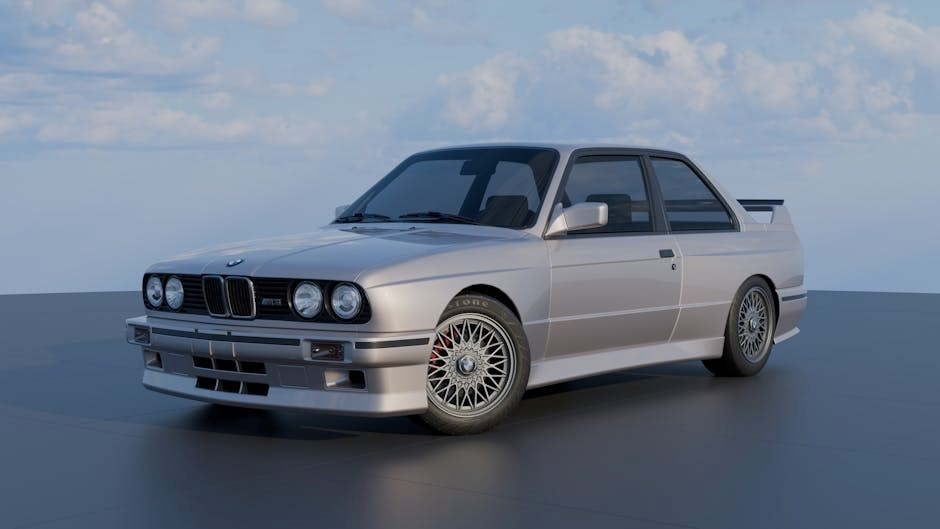
Long-Term Ownership Considerations
Maintaining an E46 M3 with a manual requires proactive servicing, as parts availability can become challenging and repair costs may increase with age.
Strong community support and active forums offer valuable resources for owners navigating maintenance and addressing potential issues.
Parts Availability
Securing parts for the E46 M3 manual transmission can present challenges as the vehicle ages. While common wear items like clutch components and synchros are generally available, sourcing specific, original BMW parts may require patience and diligent searching.
Aftermarket support is robust, offering alternatives for many components, but purists often prefer OEM parts for maintaining originality and quality. Expect increased lead times and potentially higher costs for rarer items. Proactive maintenance and stocking essential spares can mitigate future availability issues, ensuring continued enjoyment of this iconic platform.
Repair Costs
Repairing the E46 M3 manual transmission can vary significantly depending on the issue and labor rates. Simple fixes, like a clutch replacement, might range from $800 to $1500, including parts and labor. More complex repairs, such as synchro replacement or gearbox rebuilds, can easily exceed $2000-$3000.
DIY repairs can save on labor, but require specialized tools and expertise. Unexpected issues during disassembly can inflate costs. Considering the car’s age, preventative maintenance is crucial to avoid costly repairs down the line, preserving its value and driving experience.
Community Support and Forums
The E46 M3 boasts a remarkably active and knowledgeable online community. Numerous forums, like those dedicated to BMW M3s, provide invaluable resources for owners. These platforms offer advice on repairs, modifications, and maintenance, often with detailed guides and shared experiences;
Owners readily share information about transmission issues, clutch upgrades, and sourcing parts. This collective knowledge base can significantly reduce repair costs and ensure proper maintenance, fostering a strong sense of camaraderie among enthusiasts.

DIY vs. Professional Repair
Many E46 M3 manual transmission repairs are within reach for skilled DIY mechanics, but specialized tools are often needed. Complex issues necessitate professional expertise for accurate diagnosis and repair.
Difficulty Level of Common Repairs
Synchro ring replacement presents a moderate challenge, requiring gearbox disassembly and precise component fitting, best suited for experienced mechanics. Shift linkage adjustments are relatively straightforward, often involving simple bolt tightening and alignment checks.
However, clutch replacement demands significant mechanical aptitude, including drivetrain removal and careful alignment procedures. Diagnosing internal gearbox issues, like worn bearings, is complex and typically requires specialized diagnostic tools and expertise, leaning towards professional intervention.
Tools Required
Essential tools include a comprehensive socket set, torque wrench, and various wrenches for disassembly. A transmission jack is crucial for safe removal and installation; Specialized tools, like a clutch alignment tool and synchro ring pliers, are necessary for internal repairs.
Diagnostic equipment, such as an OBDII scanner, aids in identifying potential issues. Furthermore, penetrating oil, pry bars, and a good set of screwdrivers are invaluable; For complex tasks, a gearbox stand and bearing pullers may be required.
When to Seek Professional Help
Attempting complex internal repairs without experience can lead to further damage. If you encounter significant resistance during disassembly, or suspect internal component failure, consult a professional. Issues requiring specialized tools, like synchro replacement, are best left to experts.
Don’t hesitate to seek help with diagnosing unusual noises or shifting problems. A qualified BMW technician possesses the knowledge and equipment for accurate assessment and repair, ensuring a safe and reliable outcome.
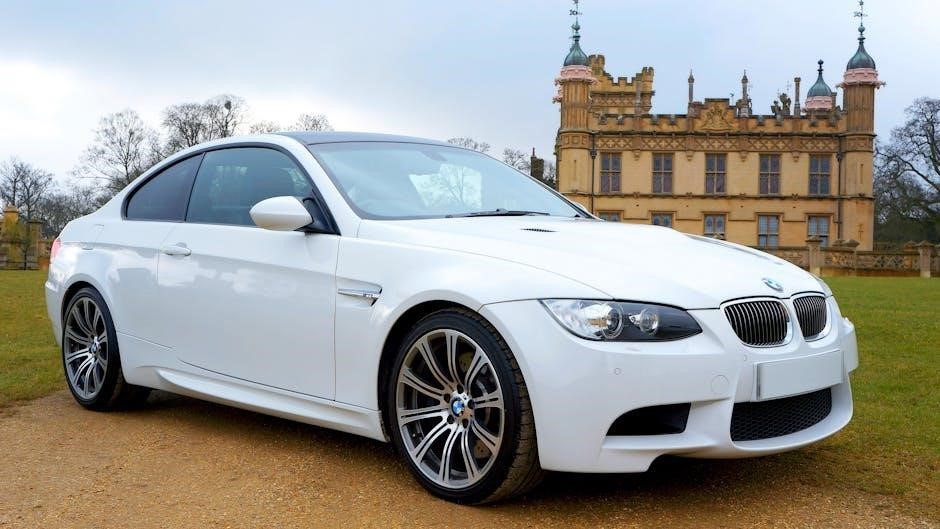
Future Value and Collectibility
Manual E46 M3s are increasingly seen as investments, driven by rarity and demand. Pristine, low-mileage examples will likely appreciate significantly over time, becoming highly sought-after collectibles.
Manual E46 M3 as an Investment
The manual E46 M3 is rapidly gaining traction as a compelling automotive investment. Its increasing rarity, coupled with strong enthusiast demand, suggests substantial potential for appreciation. Well-maintained examples, particularly those with desirable options and limited mileage, are expected to command premium prices.
Compared to the SMG-equipped models, the manual transmission is often preferred by collectors, further bolstering its investment appeal. Condition and originality are paramount; any modifications could detract from future value.
As the E46 M3 ages, its status as a modern classic solidifies, making it an attractive option for investors and enthusiasts alike.
Rarity and Demand
Manual E46 M3s represent a smaller percentage of the total production run, making them increasingly rare and sought-after by collectors and driving enthusiasts. Demand consistently outstrips supply, driving up market values for well-preserved examples. The preference for manual transmissions within the BMW community significantly contributes to this trend.
Compared to the more common SMG and automatic variants, the manual offers a more engaging driving experience, further fueling its desirability. This combination of scarcity and appeal positions it as a future classic.
Impact of Condition and Mileage
The condition of an E46 M3 manual transmission significantly impacts its value; lower mileage examples in pristine condition command substantial premiums. Comprehensive maintenance records are crucial, demonstrating diligent care and preventative servicing. High-mileage cars, while potentially more affordable, may require imminent repairs.
Evidence of clutch replacement, synchro maintenance, and overall mechanical health directly influences buyer confidence and willingness to pay. A well-maintained, lower-mileage example represents a sound investment.
Leave a Reply