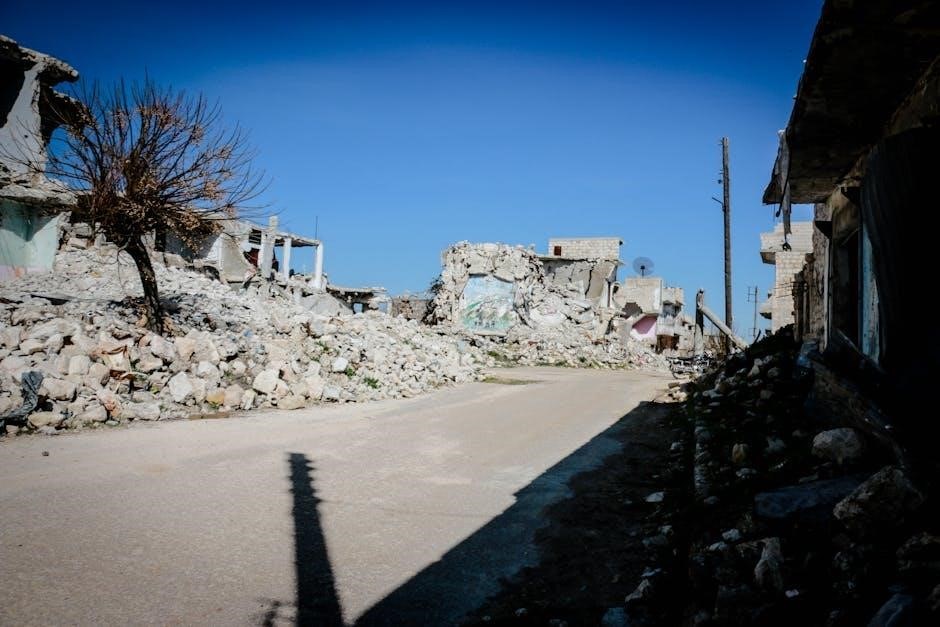
The Book of the Wars of the Lord‚ a lost biblical text‚ is referenced in Numbers 21:13-14. It was an anthology of poems detailing YHWH’s victories.
Historical Context and Biblical Mention
The sole biblical mention of the “Book of the Wars of the Lord” (Sefer Milḥamot YHWH) appears within the Book of Numbers (21:13-14). This reference occurs during Israel’s wanderings in the desert‚ specifically noting the Arnon stream as a border.
Scholars believe this book likely existed as a collection of ancient poems and songs celebrating divine victories over Israel’s enemies‚ like the Amorites and Moabites. Its historical context places it within the early Israelite period‚ potentially compiled over centuries.
The Lost Book: Overview and Significance
Currently‚ the “Book of the Wars of the Lord” remains largely lost to history‚ with only fragmented geographical notes surviving. These remnants suggest an anthology format‚ compiling poetic accounts of YHWH’s battles. Its significance lies in offering insight into early Israelite theology and warfare perceptions.
The book likely served to legitimize Israelite conquests‚ portraying them as divinely ordained victories. Recovering or reconstructing this text would illuminate ancient religious beliefs and literary traditions.

Content and Potential Themes
The book’s content likely encompassed poems detailing divine warfare‚ geographical references‚ and potentially‚ accounts of conflicts with the Amorites and Moabites.
Known Fragments and Geographical References
Extant pieces of the Book of the Wars of the Lord are incredibly fragmented‚ consisting primarily of obscure geographical notes. A key reference points to the Arnon stream‚ explicitly identified as the border demarcating the territory of the Amorites. This detail is sourced from Numbers 21:13-15‚ representing the sole surviving textual excerpt.
The significance lies in its attestation of historical boundaries and potentially‚ the poetic style employed to chronicle these events within the larger anthology.
The Warrior God: Exploring Divine Warfare
The Book of the Wars of the Lord portrays YHWH not merely as a creator‚ but as an active warrior engaged in conflicts against the enemies of Israel. This depiction aligns with a prominent biblical motif‚ showcasing divine intervention and victory in battles. The anthology likely detailed these engagements‚ framing them as demonstrations of God’s power and justice.
Exploring this theme reveals insights into ancient Israelite perceptions of their deity and warfare’s role in their religious worldview.
Poetry and Anthology Format
The Book of the Wars of the Lord wasn’t a continuous narrative‚ but rather an anthology—a collection of poems commemorating YHWH’s triumphs. This format suggests a focus on artistic expression and liturgical use‚ potentially recited during religious ceremonies or festivals. The poetic nature likely emphasized the dramatic and symbolic aspects of these divine conflicts.
Each poem probably highlighted a specific battle‚ celebrating God’s intervention and Israel’s deliverance.

Connections to World of Warcraft Lore
World of Warcraft’s extensive lore draws inspiration from various sources‚ including biblical texts like the Book of the Wars of the Lord‚ influencing themes of conflict.
World of Warcraft Chronicles Series
The World of Warcraft Chronicles series – encompassing Rise of the Horde‚ The Last Guardian‚ Tides of Darkness‚ and Beyond the Dark Portal – meticulously details Azeroth’s history. While not directly referencing the Book of the Wars of the Lord‚ these volumes explore ancient conflicts and the rise of powerful factions. The series establishes a rich tapestry of warfare‚ mirroring the thematic elements found within the lost biblical text‚ focusing on struggles for dominance and divine intervention in pivotal moments.
Rise of the Horde
Rise of the Horde chronicles the origins of the Orcish clans and their journey to Azeroth‚ detailing brutal conflicts and the corrupting influence of the Burning Legion. Though not explicitly linked to the Book of the Wars of the Lord‚ the narrative echoes themes of warfare and divine struggle. It portrays a desperate fight for survival‚ mirroring the ancient battles described in fragmented poems‚ and establishing a foundation for future conflicts within the Warcraft universe.
The Last Guardian
The Last Guardian focuses on Medivh‚ the last of the Guardian of Tirisfal‚ and his role in opening the Dark Portal‚ unleashing the First War. While seemingly distant from the Book of the Wars of the Lord‚ the story explores themes of corrupted power and devastating conflict. Medivh’s fall and the ensuing demonic invasion resonate with the ancient battles described‚ showcasing the consequences of unchecked ambition and the enduring struggle against darkness.
Tides of Darkness
Tides of Darkness details the Second War‚ a brutal conflict between the Alliance and the Horde. Though not directly referencing the Book of the Wars of the Lord‚ the chronicle portrays large-scale warfare and divine intervention – or lack thereof – mirroring potential themes within the lost text. The scale of destruction and the desperate struggle for survival echo the epic battles described in ancient poems about YHWH’s conflicts.
Beyond the Dark Portal
Beyond the Dark Portal chronicles the Alliance expedition into Draenor‚ facing the demonic forces of the Burning Legion. While not explicitly linked to the Book of the Wars of the Lord‚ the narrative explores themes of righteous conflict against overwhelming evil. This echoes the potential focus on divine warfare present in the lost book‚ depicting battles for territory and spiritual dominance‚ mirroring struggles against the Amorites and Moabites.
Warcraft Archive Series
The Warcraft Archive Series‚ including Day of the Dragon‚ Lord of the Clans‚ and Of Blood and Honor‚ delves into the histories of key figures and conflicts. Though not directly referencing the Book of the Wars of the Lord‚ these narratives showcase the brutal realities of war and the motivations behind it. They offer context for understanding ancient conflicts‚ potentially mirroring the anthology’s focus on YHWH’s battles.
Day of the Dragon
Day of the Dragon chronicles the events surrounding the First and Second Wars‚ focusing on the human-orc conflicts. While not explicitly linked to the lost Book of the Wars of the Lord‚ it portrays warfare’s impact and the strategic considerations involved. The book’s detailed accounts of battles and leadership resonate with the potential themes explored within the ancient anthology of poems detailing YHWH’s victories.
Lord of the Clans
Lord of the Clans delves into Durotan’s rise to power and the early Horde’s societal structure. Though separate from the Book of the Wars of the Lord‚ it illustrates the complexities of leadership during times of conflict. The narrative echoes themes of divine justice and victory‚ mirroring the ancient text’s focus on YHWH’s battles against Israel’s enemies‚ albeit from an orcish perspective.
Of Blood and Honor
Of Blood and Honor chronicles the First and Second Wars‚ showcasing the brutal realities of conflict and the shifting allegiances within the Horde. While distinct from the lost Book of the Wars of the Lord‚ it portrays warfare’s impact on individuals and nations. The book’s exploration of honor and sacrifice resonates with the biblical text’s depiction of divine judgment and triumph over adversaries.

War of the Ancients Archive
The War of the Ancients Archive‚ including The Well of Eternity‚ details ancient conflicts‚ echoing themes found within the lost Book of the Wars of the Lord.
The Well of Eternity
The Well of Eternity chronicles the early history of Azeroth‚ focusing on the night elves and the rise of the Burning Legion. While not directly referencing the Book of the Wars of the Lord‚ it portrays epic conflicts mirroring the divine battles described within that lost text. The narrative explores themes of ancient power‚ corruption‚ and the struggle against overwhelming demonic forces‚ offering parallels to the anthology’s depiction of YHWH’s victories over Israel’s enemies. It sets the stage for future conflicts and expands upon the lore surrounding the world’s creation and early inhabitants.
The Demon Soul
The Demon Soul continues the saga begun in The Well of Eternity‚ detailing the escalating conflict with the Burning Legion and the devastating consequences of their invasion. Though not explicitly linked to the Book of the Wars of the Lord‚ the narrative echoes its themes of divine warfare and righteous struggle. It showcases the immense power wielded by both sides‚ mirroring the epic scale of battles described in the lost anthology. The story delves into the corruption of Azeroth and the sacrifices made to defend it.
The Sundering
The Sundering chronicles the cataclysmic events following the War of the Ancients‚ detailing the world’s reshaping and the fracturing of the Night Elven empire. While not directly referencing the Book of the Wars of the Lord‚ the immense scale of destruction and the divine intervention present parallels to the lost text’s depiction of YHWH’s battles. The narrative explores themes of loss‚ resilience‚ and the enduring consequences of conflict‚ echoing the anthology’s focus on divine justice.

Analyzing the “Wars” Depicted
The “Wars” likely encompassed conflicts with the Amorites and Moabites‚ with the Arnon stream serving as a crucial border marker‚ as noted in Numbers 21.
Conflicts with the Amorites and Moabites
The Book of the Wars of the Lord seemingly documented clashes with groups like the Amorites and Moabites‚ pivotal adversaries in Israelite history. Numbers 21:13 specifically mentions the Arnon stream defining the boundary of Amorite territory. This suggests the book detailed military engagements along this border‚ potentially including strategic movements and battles fought to secure or defend it. The fragmented text hints at a focus on geographical locations tied to these conflicts‚ offering glimpses into ancient warfare and territorial disputes.
Symbolic Representation of Battles
The Book of the Wars of the Lord wasn’t merely a historical record; it appears to have employed poetic language‚ suggesting battles were represented symbolically. As an anthology of poems‚ the text likely focused on the theological significance of YHWH’s victories rather than purely military tactics. These poetic depictions probably emphasized divine intervention and justice‚ portraying conflicts as manifestations of God’s power and faithfulness to Israel‚ rather than simple territorial gains.
The Arnon Stream as a Border Marker
The Book of the Wars of the Lord is directly linked to a specific geographical detail: the Arnon stream. Numbers 21:13-15 references this stream as the border between the Amorites and Moabites‚ with a quote originating from the lost book. This suggests the text contained geographical notes alongside its poetic accounts of battles‚ potentially using landmarks to define conflict zones and illustrate the scope of YHWH’s dominion.

Theological Implications
The Book of the Wars of the Lord portrays YHWH as a warrior‚ emphasizing divine justice and victory over Israel’s enemies in ancient religious contexts.
YHWH as a Warrior: A Biblical Motif
YHWH’s depiction as a warrior is a consistent motif throughout the Hebrew Bible‚ extending beyond the Book of the Wars of the Lord. This imagery isn’t merely about physical conflict‚ but symbolizes divine power and the upholding of covenant promises. The lost book likely contributed to this established theological understanding‚ showcasing victories over Amorites and Moabites.
This warrior aspect highlights God’s active intervention in history and His commitment to protecting Israel. It’s a powerful representation of divine justice and the ultimate triumph of good over evil‚ resonating throughout scripture.
Understanding Divine Justice and Victory
The Book of the Wars of the Lord‚ though fragmented‚ likely explored divine justice through the lens of Israelite victories. These weren’t simply conquests‚ but demonstrations of YHWH’s righteous judgment against enemies. Victory signified adherence to the covenant and divine favor‚ while defeat represented disobedience and consequence.
Understanding these battles requires recognizing them as theological statements about God’s character – His faithfulness‚ power‚ and unwavering commitment to His people and His laws.
The Role of Warfare in Ancient Israelite Religion
The Book of the Wars of the Lord highlights warfare’s central role in ancient Israelite religion‚ viewing conflict as intrinsically linked to YHWH’s will. Battles weren’t merely political or strategic; they were sacred acts‚ expressions of divine power and justice.
Success in war validated the priesthood‚ affirmed the covenant‚ and reinforced the belief in a warrior God actively involved in His people’s destiny‚ shaping their religious identity.
Modern Interpretations and Research
Scholarly debates continue regarding the book’s existence‚ with reconstruction efforts relying on fragmented references and comparative analysis of ancient Near Eastern texts.
Scholarly Debates on the Book’s Existence
The primary debate centers on whether the “Book of the Wars of the Lord” was a distinct‚ cohesive work or simply a collection of poetic fragments woven into existing biblical texts. Some scholars argue its mention in Numbers suggests a standalone composition‚ potentially lost over time.
Others propose it might have been a title for sections within larger historical or liturgical works. The limited extant evidence – a brief geographical note – fuels speculation and hinders definitive conclusions. Reconstructing its content remains a significant challenge‚ relying heavily on interpretation and comparative literature.
Reconstructing the Lost Text
Reconstruction efforts are hampered by the scarcity of surviving material; only a fragmented geographical reference concerning the Arnon stream remains. Scholars employ comparative analysis‚ examining similar poetic and historical texts from the ancient Near East to infer potential content and style.
Hypotheses suggest the book likely detailed conflicts with the Amorites and Moabites‚ employing symbolic representations of battles and divine intervention. This process is largely speculative‚ aiming to illuminate the religious and cultural context of ancient Israelite warfare.
Influence on Later Literature and Art
Despite its lost status‚ the concept of a divine warrior and battles recounted in poetic form resonates throughout biblical literature and beyond. The motif of YHWH as a warrior profoundly influenced depictions of God’s power and justice in subsequent theological works.
Artistic representations of warfare‚ particularly those emphasizing divine intervention‚ may indirectly reflect the themes potentially explored within the Book of the Wars of the Lord‚ though direct influence remains difficult to trace.
Finding “Wars of the Lord” PDF Resources
Due to its lost nature‚ a complete PDF of the Book of the Wars of the Lord doesn’t exist; however‚ fragments and scholarly discussions are available online.
Online Archives and Digital Libraries
Locating a direct PDF of the Book of the Wars of the Lord proves challenging‚ given its lost status. However‚ digital libraries and online archives offer related scholarly articles and analyses. Resources like JSTOR‚ Academia.edu‚ and university library databases may contain research papers discussing the book’s fragments and historical context. Exploring biblical scholarship websites and digital collections focused on ancient Near Eastern texts could also yield valuable insights‚ though a complete text remains undiscovered. Fan-created lore compilations sometimes reference it.
Fan-Created Content and Lore Compilations
While a complete PDF of the Book of the Wars of the Lord is unavailable‚ dedicated World of Warcraft fans have compiled extensive lore resources. Websites and forums dedicated to Warcraft’s history often discuss the book‚ referencing its mention in Numbers and its connection to in-game events. These compilations may include translations of known fragments and interpretations of its significance‚ offering a glimpse into this lost text‚ though accuracy varies.
Official World of Warcraft Resources
Blizzard Entertainment’s official World of Warcraft website and associated resources do not offer a direct PDF download of the Book of the Wars of the Lord. However‚ the Chronicles series and Warcraft Archive books frequently allude to ancient conflicts and historical events potentially documented within the lost text. Exploring these official publications provides contextual understanding‚ though the book itself remains unrecovered and unavailable as a downloadable file.
Reading Order for Warcraft Books
Begin with the Chronicles series‚ then the Archive‚ and War of the Ancients to grasp the lore surrounding the “Wars” mentioned.
Suggested Progression Through the Lore
To fully appreciate the context of the “Book of the Wars of the Lord” references within World of Warcraft lore‚ a structured reading order is beneficial. Start with Rise of the Horde to understand the foundational conflicts. Then‚ proceed through The Last Guardian‚ Tides of Darkness‚ and Beyond the Dark Portal.
Following the Chronicles series‚ delve into the Archive books – Day of the Dragon‚ Lord of the Clans‚ and Of Blood and Honor – to expand your knowledge. Finally‚ explore the War of the Ancients trilogy: The Well of Eternity‚ The Demon Soul‚ and The Sundering. This progression builds a comprehensive understanding of the ancient conflicts and their significance.
Expanding Knowledge of Key Events
Understanding the historical backdrop of the “Book of the Wars of the Lord” requires exploring the conflicts mentioned within its fragments – specifically‚ those involving the Amorites and Moabites. The referenced Arnon stream served as a crucial border marker during these ancient battles.
Further research into Numbers 21:13-15 provides context. Examining scholarly debates surrounding the book’s existence and attempts to reconstruct the lost text deepens comprehension of these pivotal events and their symbolic representation within the broader biblical narrative.
Deepening Understanding of Characters
While the “Book of the Wars of the Lord” primarily focuses on divine warfare and geographical locations‚ understanding the context illuminates the roles of key figures. Examining the conflicts with the Amorites and Moabites reveals insights into the challenges faced by ancient Israelites.
Though the book itself is lost‚ analyzing its references within Numbers and scholarly interpretations offers a glimpse into the perspectives of those involved in these historical and religiously significant events.
The lost “Book of the Wars of the Lord” continues to fascinate‚ its fragmented references sparking ongoing research and fueling speculation about its complete contents.
The Book’s Legacy and Continued Fascination
Despite its fragmented nature‚ the “Book of the Wars of the Lord” holds a significant place in biblical studies and‚ surprisingly‚ within World of Warcraft lore. The mere mention of its existence—an anthology of poems celebrating divine victories—captures the imagination.
Scholars debate its original scope and content‚ while fans speculate on its potential influence on the game’s narrative. The Arnon stream reference‚ a small piece of the puzzle‚ demonstrates its historical and geographical connections‚ ensuring its enduring appeal.
The Importance of Lore in World of Warcraft
World of Warcraft’s rich lore‚ drawing inspiration from sources like the lost “Book of the Wars of the Lord‚” profoundly enhances the player experience. Chronicles‚ Archives‚ and novels expand upon the game’s universe‚ providing context and depth to quests‚ characters‚ and conflicts.
Understanding these narratives—from the Rise of the Horde to the Sundering—transforms gameplay from simple action into immersive storytelling. The fragmented references to ancient texts add layers of mystery and intrigue‚ captivating dedicated players.
Future Research and Discoveries
Ongoing scholarly debates surround the “Book of the Wars of the Lord’s” existence and potential reconstruction. Digital archives and lore compilations offer avenues for exploration‚ though definitive texts remain elusive. Further analysis of fragmented references within Numbers and related texts may yield insights.
Continued investigation into ancient Near Eastern poetry and warfare accounts could illuminate the book’s style and themes‚ enriching our understanding of biblical and Warcraft lore.
Leave a Reply